White Oak Bayou
The bayou whose tributaries bisect Spring Branch and set the flood exposure of the eastern sections.
Spring Branch roofing is four Super Neighborhoods with one flood line down the middle — and a 1950s ranch roof on most lots. Spring Branch is not one Super Neighborhood but four: SN 10 Spring Branch West, SN 84 Spring Branch North, SN 85 Spring Branch Central and SN 86 Spring Branch East — combined, north of I-10, west of I-610 and Highway 290, east of Beltway 8 and Addicks Reservoir, and south of Clay Road and Hammerly Boulevard, varying by SN. This page is written as the four-SN page it is, never as one SN, because the flood story splits the district in two and the housing splits it by era. The dominant stock is 1950s-to-1960s single-family brick ranch homes on slab foundations, with significant infill and townhome construction from the 2000s onward.
Ranch re-roofs, townhome flat decks and renovation-bundle roofing — these are the services that apply across Super Neighborhoods 10, 84, 85 and 86, scoped to the ranch that needs everything at once.
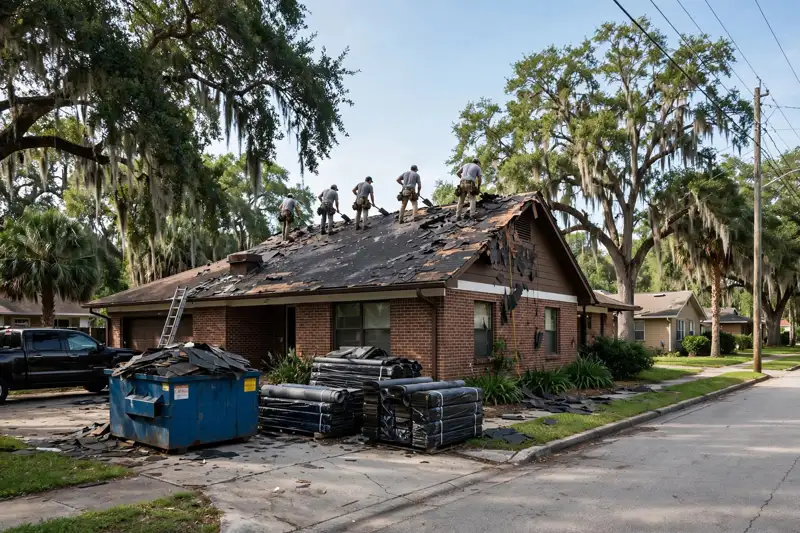 Roof ReplacementTear-off, deck repair and a new system, scoped to your roof and quoted in writing — for 1950s–60s ranches on their third or fourth roof and 2000s infill entering its first replacement window.View details →
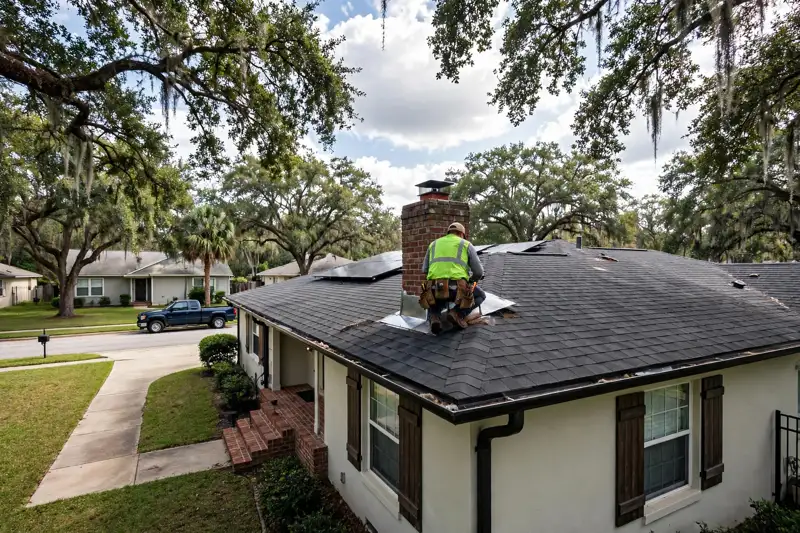 Roof RepairSmall failures fixed at the source — flashing, boots and lifted shingles — for 1950s–60s ranches on their third or fourth roof and 2000s infill entering its first replacement window.View details →
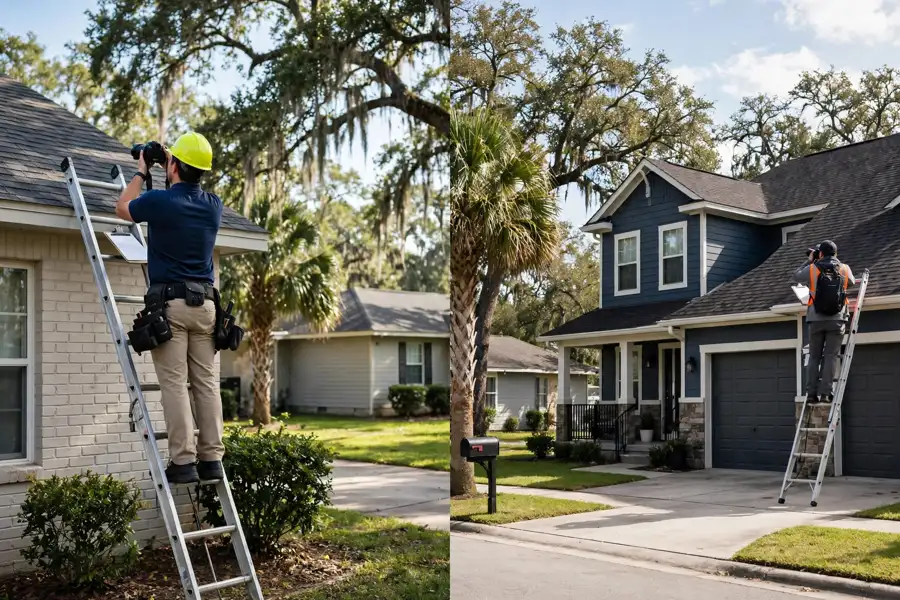 Roof InspectionA full on-roof and attic check that ends in a written report with photos — for 1950s–60s ranches on their third or fourth roof and 2000s infill entering its first replacement window.View details →
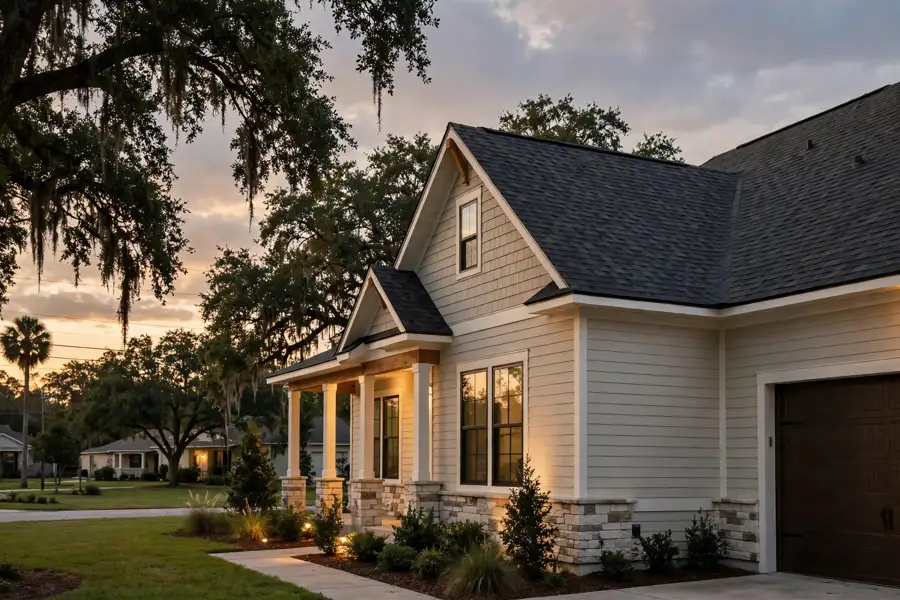 Residential RoofingPitched and flat sections for Houston houses, scoped as one job — for 1950s–60s ranches on their third or fourth roof and 2000s infill entering its first replacement window.View details →
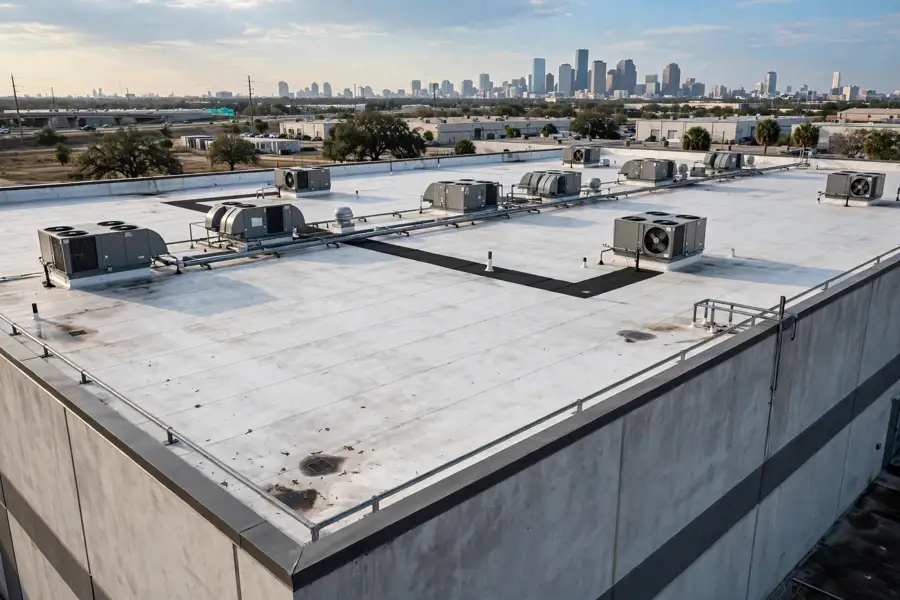 Commercial RoofingFlat and low-slope systems for Houston commercial buildings, phased to stay open — for 1950s–60s ranches on their third or fourth roof and 2000s infill entering its first replacement window.View details →
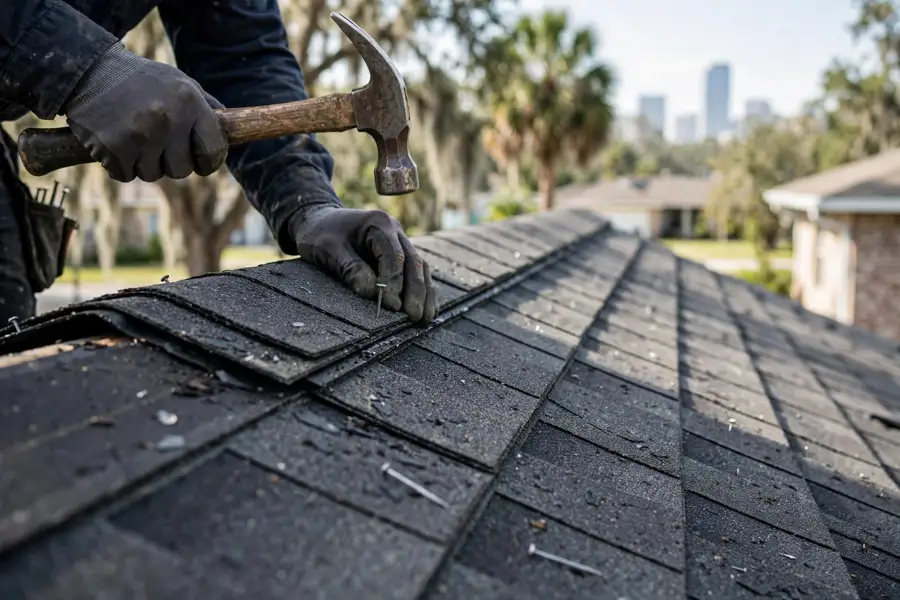 Shingle RoofingArchitectural shingles installed as a system — deck, underlayment, flashing, ridge — for 1950s–60s ranches on their third or fourth roof and 2000s infill entering its first replacement window.View details →
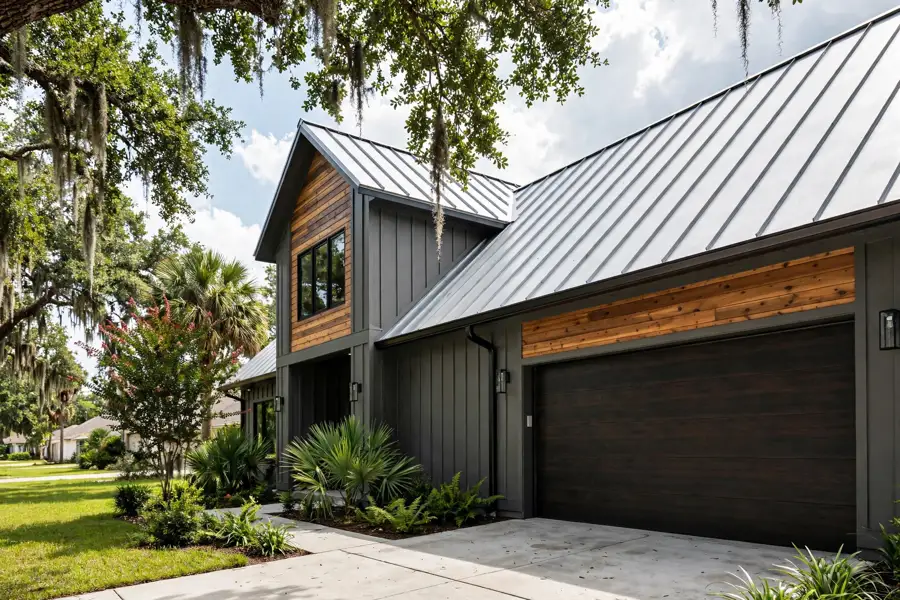 Metal RoofingStanding-seam metal, installed with new flashing throughout — for 1950s–60s ranches on their third or fourth roof and 2000s infill entering its first replacement window.View details →
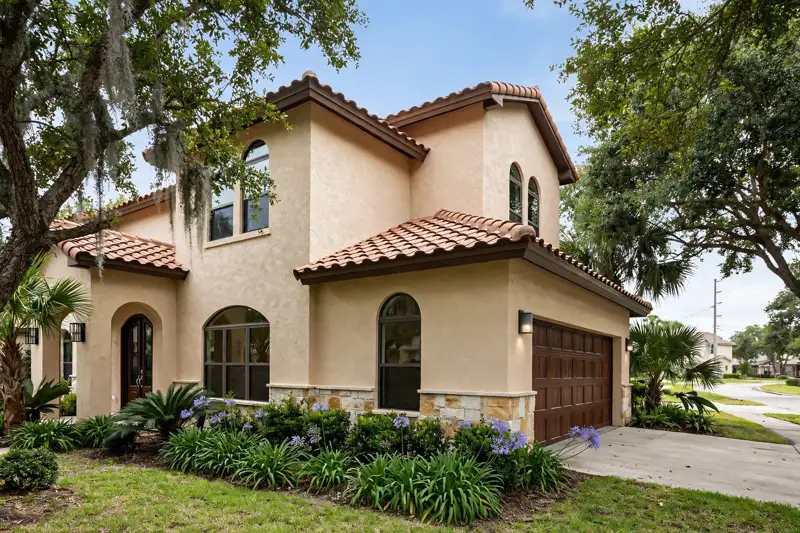 Tile RoofingClay and concrete tile where the underlayment, not the tile, decides the job — for 1950s–60s ranches on their third or fourth roof and 2000s infill entering its first replacement window.View details →
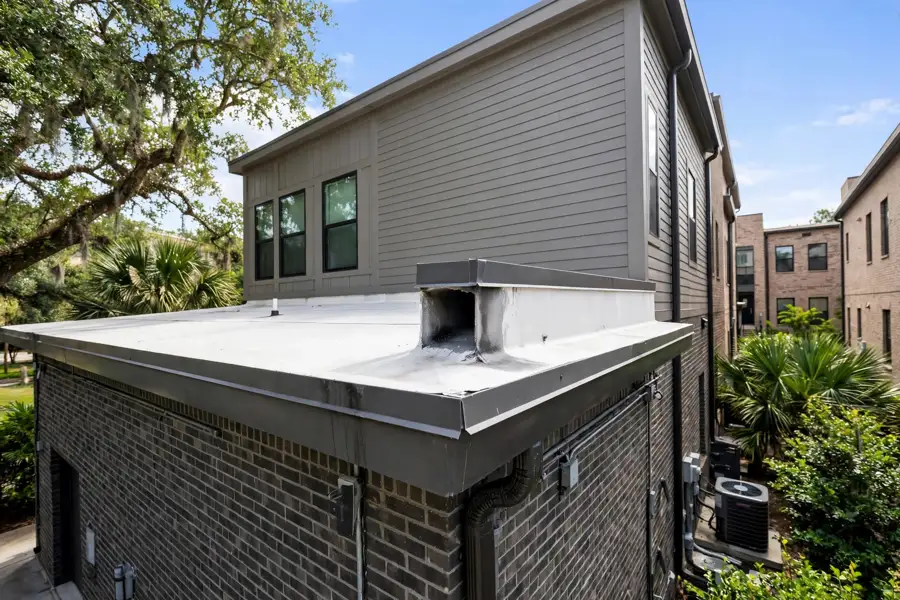 Flat RoofingLow-slope membranes with drainage solved first, not patched later — for 1950s–60s ranches on their third or fourth roof and 2000s infill entering its first replacement window.View details →
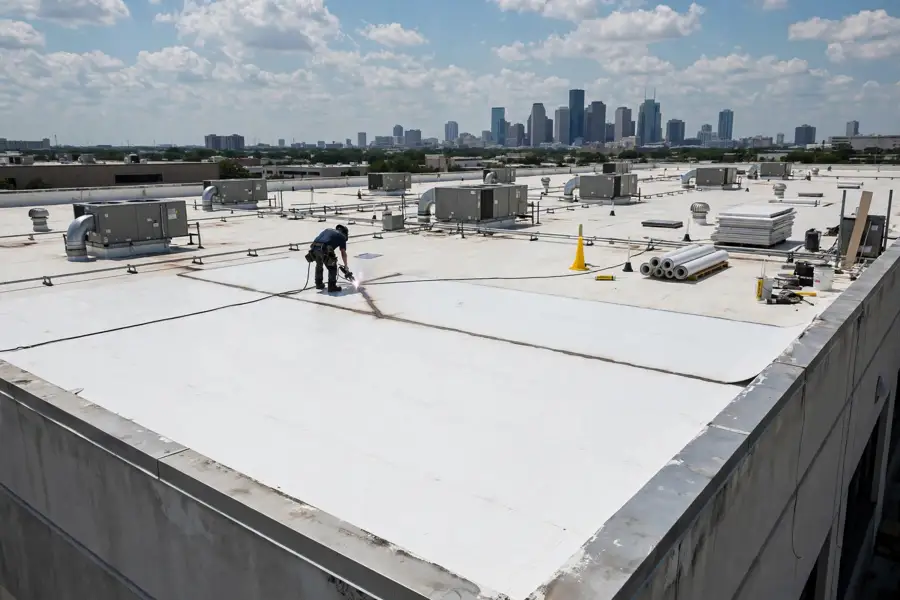 TPO RoofingWhite TPO with heat-welded, probe-checked seams for low-slope roofs — for 1950s–60s ranches on their third or fourth roof and 2000s infill entering its first replacement window.View details →
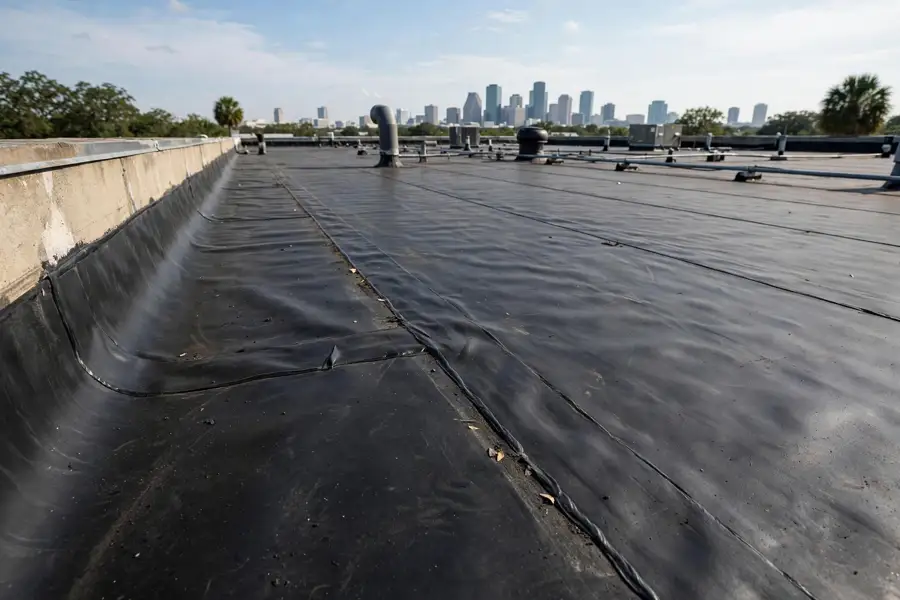 EPDM RoofingBlack rubber membrane with seams cleaned, primed, taped and rolled — for 1950s–60s ranches on their third or fourth roof and 2000s infill entering its first replacement window.View details →
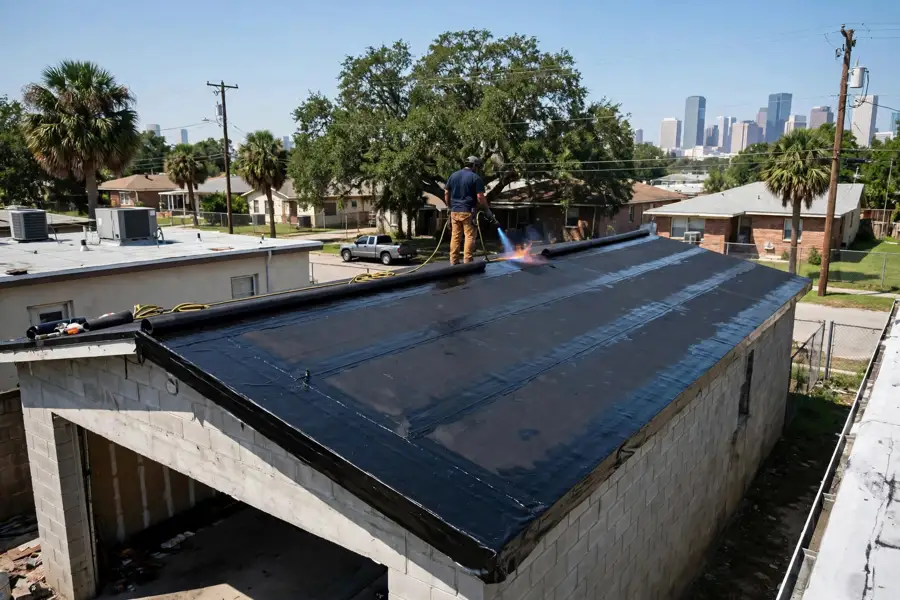 Modified Bitumen RoofingTwo-ply modified bitumen, torched and lapped for small flat sections — for 1950s–60s ranches on their third or fourth roof and 2000s infill entering its first replacement window.View details →
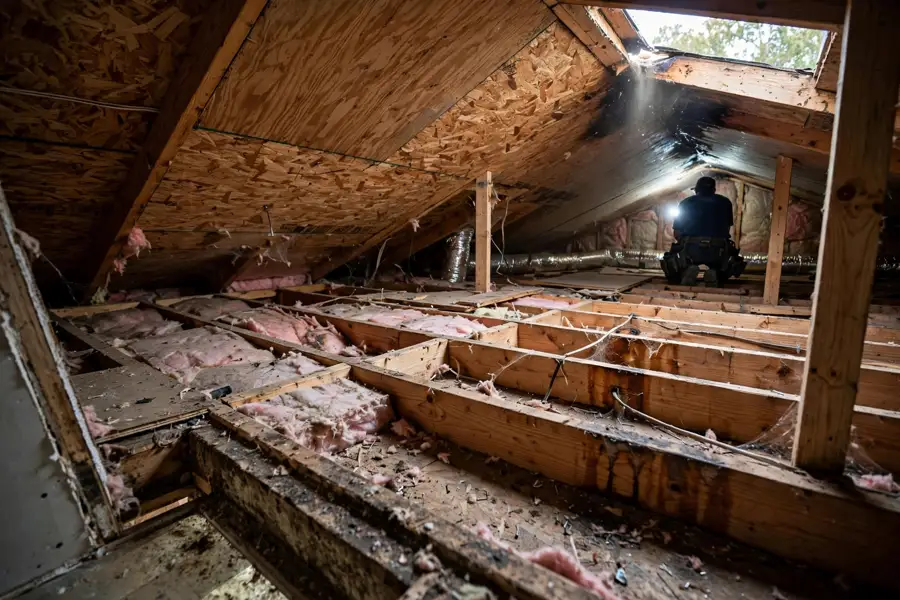 Roof Leak RepairLeaks traced to the entry point, then repaired and water-tested — for 1950s–60s ranches on their third or fourth roof and 2000s infill entering its first replacement window.View details →
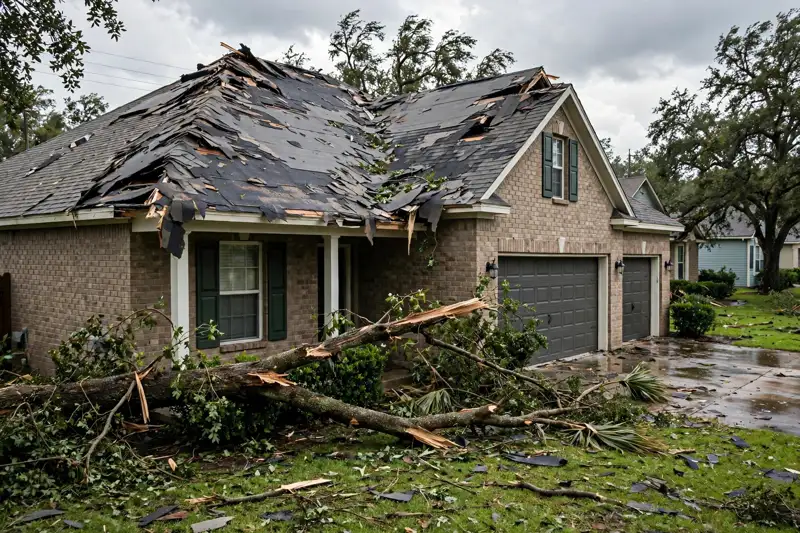 Storm Damage Roof RepairWind and hail damage documented slope by slope, with photos for your file — for 1950s–60s ranches on their third or fourth roof and 2000s infill entering its first replacement window.View details →
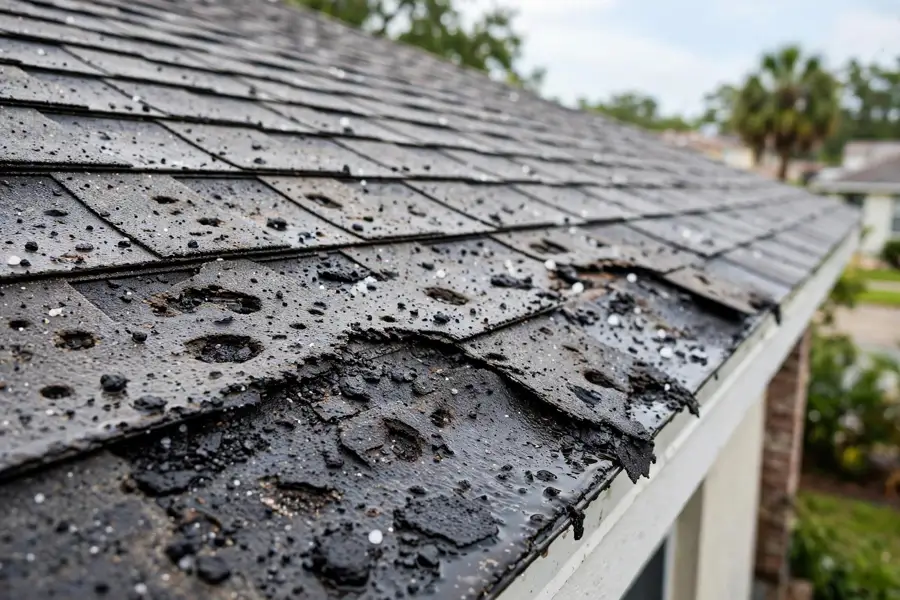 Hail Damage Roof RepairBruising and granule loss checked on the roof, not from the ground — for 1950s–60s ranches on their third or fourth roof and 2000s infill entering its first replacement window.View details →
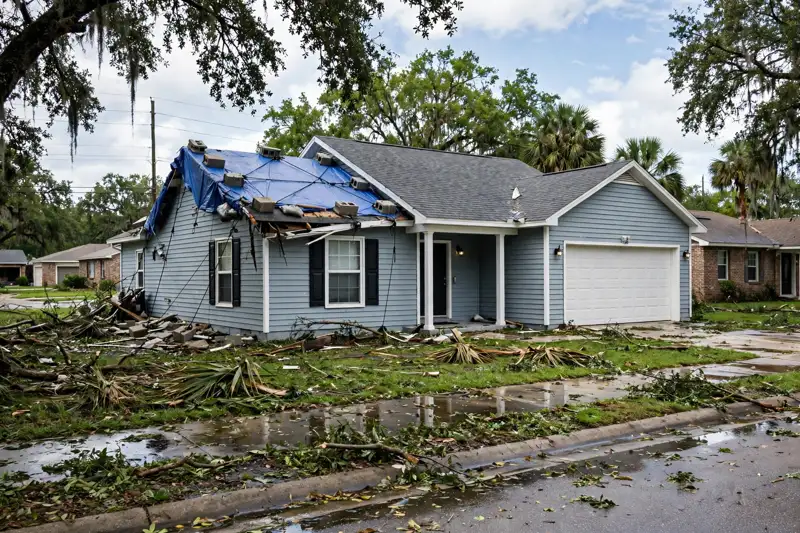 Emergency Roof RepairDry-in first, then a permanent plan once the water is stopped — for 1950s–60s ranches on their third or fourth roof and 2000s infill entering its first replacement window.View details →
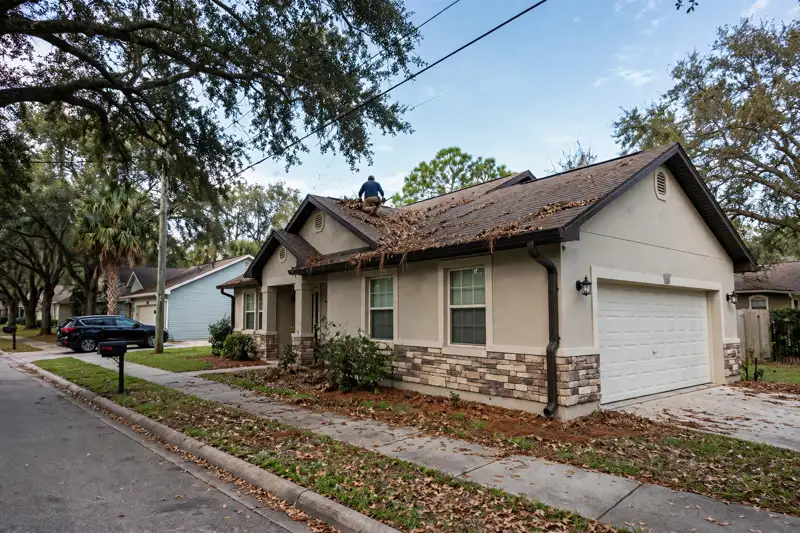 Roof MaintenanceYearly checks of valleys, gutters, boots and flashing, with debris cleared — for 1950s–60s ranches on their third or fourth roof and 2000s infill entering its first replacement window.View details →
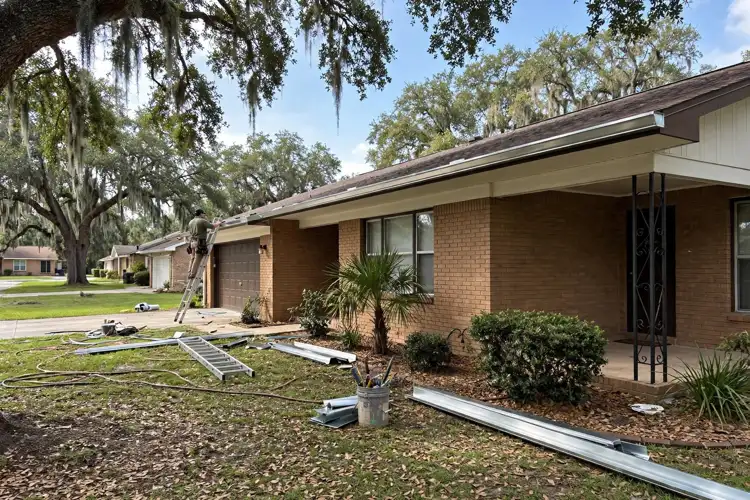 Gutter InstallationSeamless gutters measured to the roof area feeding each run — for 1950s–60s ranches on their third or fourth roof and 2000s infill entering its first replacement window.View details →
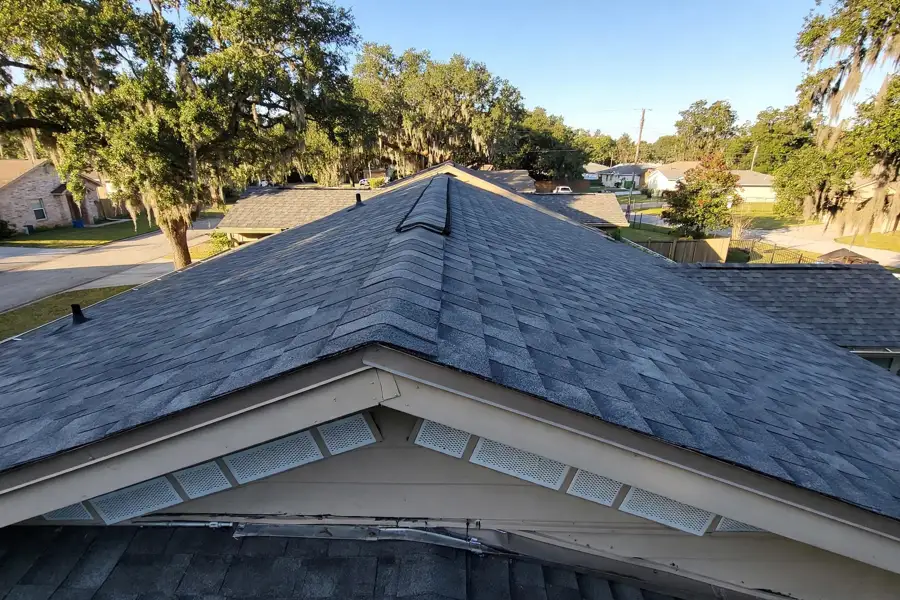 Attic VentilationRidge-to-soffit airflow that lets heat and moisture leave the attic — for 1950s–60s ranches on their third or fourth roof and 2000s infill entering its first replacement window.View details →
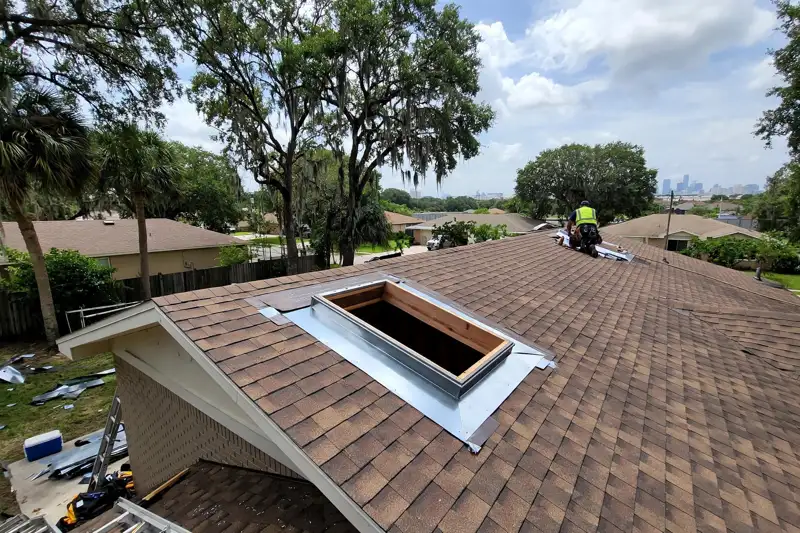 Skylight InstallationSkylights planned with the re-roof, so curb and flashing are built in — for 1950s–60s ranches on their third or fourth roof and 2000s infill entering its first replacement window.View details →
Four Super Neighborhoods, two housing eras and a flood line down the middle — the job is planned from the SN, the house’s era and the side of the line the lot sits on.
The 1950s-to-1960s ranches are 60 to 75 years old, and the most common work in the district is updating their mechanical and plumbing systems — galvanised supply, cast-iron drains, panels and HVAC. Roofing is the companion trade on the same renovation.
How we help: We scope the roof as part of the bundle, not as a standalone sale: tear-off to the deck, decking and flashing addressed together, and a straight answer about what else the house needs before the roof is priced in isolation.
East Spring Branch, especially near White Oak Bayou, carries genuine flood exposure and was hit hard in Harvey; the west and central sections are higher and drier. The district is bisected by White Oak Bayou tributaries and Spring Branch Creek, and localised street flooding occurs in heavy rain.
How we help: We check the parcel on the FEMA and Harris County maps for your address and state the east–west split explicitly — an east-side flood check is a go or no-go before a renovation bundle is priced, and a west-side lot is a different conversation.
Houston Black clay shrinks in drought and swells in rain, stressing foundations and indirectly stressing roof flashing and chimney joints. A ranch on clay soil does not keep the same flashing gaps it was built with.
How we help: We check chimney and flashing joints for movement, look at the deck and the eaves where settling shows first, and scope the roof with the foundation movement in mind — not as if the house sat on rock.
Shingles lifting or missing on a 1950s–60s ranch after a wind event
Cracked or opened flashing at a chimney on clay soil
Stains on ceilings in a ranch with galvanised supply and cast-iron drains
Granules collecting in gutters or at downspout outlets
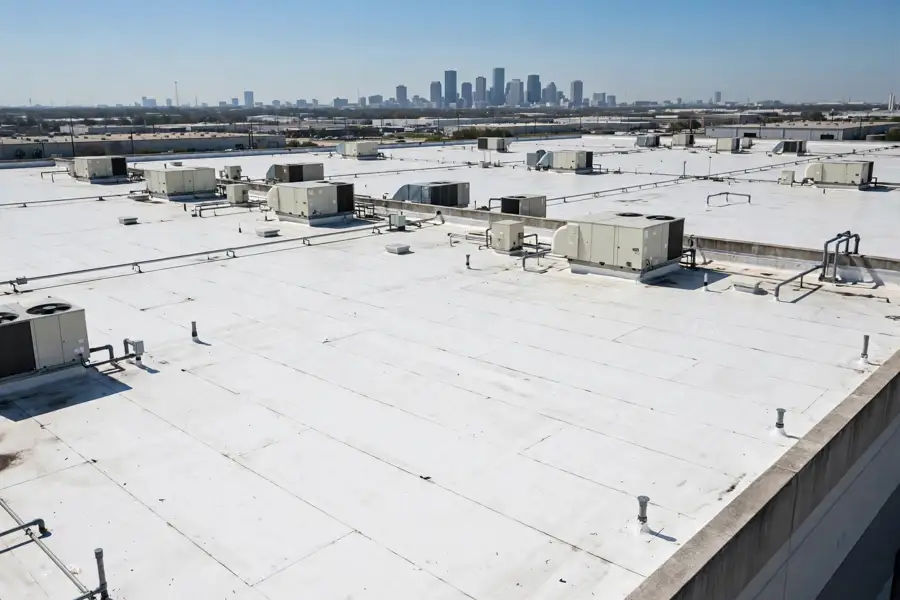
Standing water on a 2000s townhome flat deck more than two days after rain
White Oak Bayou, Spring Branch Creek, I-10 and Beltway 8 are the reference lines for Spring Branch work — the bayou and the creek are the flood story, and the two highways frame the four Super Neighborhoods.
The bayou whose tributaries bisect Spring Branch and set the flood exposure of the eastern sections.
The creek running through the district, feeding the localised street flooding that heavy rain brings.
The freeway forming Spring Branch’s southern boundary and the route crews use to reach the district.
The western boundary of the district, beyond which sit Addicks Reservoir and the Energy Corridor.
We serve Spring Branch — Super Neighborhoods 10, 84, 85 and 86 (West, North, Central and East). No ZIP list is published for this area because the research gives none — call (346) 654-5170 and we will confirm your SN and your side of the flood line.
Spring Branch West (SN 10) · Spring Branch North (SN 84) · Spring Branch Central (SN 85) · Spring Branch East (SN 86)
“Absolutely wonderful service. Had an issue with my roof leaking and they were attentive and listened my concerns. They get on the roof and found and fix the leak then took care of the interior too. They even fixed a poorly done previous repair done by another company. I Would recommend”
Nate DorrGoogle review
Google review“My roof was getting close to the end of its life and had started leaking, plus there was some sagging. Manny was upfront with me from the start and took the time to explain my options so we could figure out what actually made sense for my situation. The replacement was done right, and I never got the feeling anyone was cutting corners. If you need a roofer you can actually trust to do the job carefully, I highly recommend this company.”
Liam YangGoogle review
Google reviewEvery quote above is a verbatim Google review of Bridgegate Construction LLC. Our Google profile holds 31 reviews, all 5 stars; the ones we have not read are shown only as a total, never as quotes. Read all 31 reviews on our Google profile.
Our team can help if your question is not answered here.
Call (346) 654-5170 →A City of Houston Residential Roofing Permit is required for a re-roof or roofing overlay inside the city — plan review and inspection required, a $33.56 admin fee, about 10 business days’ processing, valid 6 months, with the permit kept on site until final approval. Roof covering of 100 sq ft or less in aggregate is exempt. Subdivision HOAs and civic clubs vary in activity and many 1950s-to-1960s plats are deed-restricted — check your plat’s restrictions, and townhome infill answers to its project-level HOA.
No — Texas has no state roofing licence, so there is nothing to look up. In Spring Branch, what you can check is the City roofing permit for the job, the written scope, and the contractor's insurance — and ask how the crew handles the flood line that runs down the middle of Spring Branch.
As market context only — not a quote — Angi’s Houston figures put an average replacement at $9,752, with most falling between $6,712 and $13,123, and an average repair at $1,002. In Spring Branch, that usually means pricing the 1950s ranch roof and the flood line that runs through the lot. Your roof is priced from its own size, pitch and condition. A 1950s ranch re-roof is priced from the roof’s size, pitch and deck condition — and where the ranch also needs re-plumbing, a panel and HVAC, the roof is scoped as part of that bundle, not in isolation.
It depends on which side of the district you are on. East Spring Branch, especially near White Oak Bayou, carries genuine flood exposure and was hit hard in Harvey; the west and central sections are higher and drier. The district is mapped Zone X as a whole, but White Oak Bayou tributaries and Spring Branch Creek bring localised street flooding in heavy rain. Never take a district-wide flood zone as your answer — check the parcel on the FEMA and Harris County maps for your address.
Four Super Neighborhoods — 10 West, 84 North, 85 Central and 86 East — under one colloquial name. This page covers all four, because the housing and the flood line cut across them. We are not a public adjuster: we document damage, provide a scope, and can be present at the adjuster’s inspection at your request. We do not negotiate claims and cannot guarantee approval, and Texas law bars waiving or rebating the deductible.
A ranch on its third or fourth roof, a townhome deck that ponds, or a renovation bundle that starts with the roof? Call Bridgegate Construction LLC at (346) 654-5170. We will check your Super Neighborhood, your side of the flood line and the house’s era — in that order. Mon–Wed 8 AM–6:30 PM · Sat 9 AM–6:30 PM · Sun Closed.
Tell us what you are seeing and where you are located. Our team will call to confirm the right appointment type and timing.