A stain that keeps coming back
The stain is where water lands, not where it enters. We trace it to the source — boot, flashing or valley — and fix that, not the ceiling.
Most Houston roof problems are small and local: a cracked vent boot, lifted flashing, a worn valley. We find the actual source, repair it properly, and tell you plainly when a repair is good money and when replacement makes more sense. Start with a roof inspection, or see roof leak repair if water is already coming in.
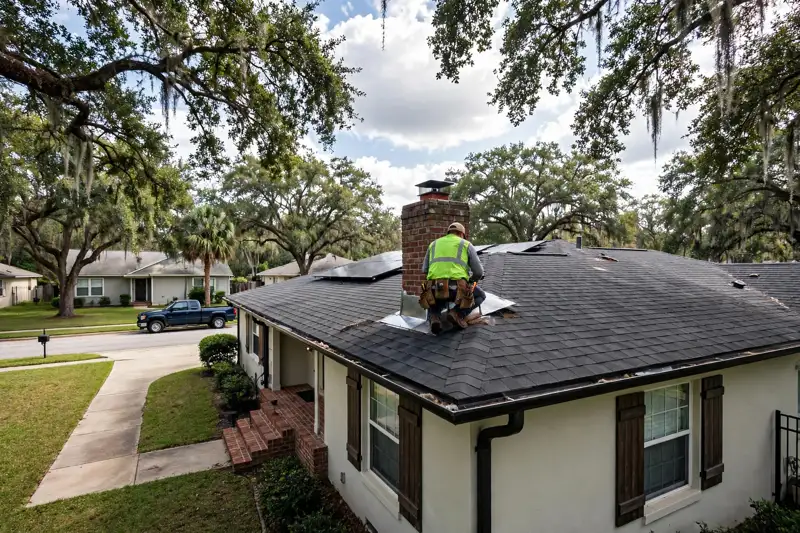
Roof repair means fixing the failed part of the system without replacing the whole roof: shingles, flashing, vent boots, valleys, ridge caps, fascia and soffit. Houston’s heat, humidity, hail and wind wear each of these differently, so a repair starts with finding the real source — a ceiling stain is rarely directly below the leak — and ends with the repair blended into the surrounding roof so water has no new path in.
Repair beats replacement while the roof is young and the deck is sound. Architectural shingles last about 18–25 years in Houston, so a 10-year-old roof with a failed vent boot is a repair; a 22-year-old roof with widespread granule loss is usually a replacement — see our roof replacement page for the comparison. Small repairs covering 100 sq ft or less in aggregate are exempt from the City’s roofing permit; larger repair work is permit work. If water is coming in now, go to emergency roof repair.
Repairs are targeted: the failed part comes out and is replaced, with new underlayment beneath and the surrounding courses re-sealed.
Creased, cracked or missing shingles replaced to match, with the surrounding courses re-sealed so wind cannot lift the repair.
Chimney, wall, skylight and valley flashing re-sealed or replaced — flashing is the most common leak source on Houston roofs, not the shingles themselves.
Cracked rubber boots around vent pipes are a leading Houston leak. We replace the boot and re-flash the pipe rather than smearing sealant over a failed part.
Worn valleys and lifted ridge caps re-laid with new underlayment beneath, so the repair lasts as long as the surrounding roof.
Fascia boards rotted by overflowing gutters or wind-driven rain are replaced and re-sealed, and the gutter line is checked so the new board does not rot the same way.
Damaged or sagging soffit panels are replaced and the intake vents cleared, so the attic keeps breathing and pests and moisture stay out.
We walk the roof and check the attic where there is access, tracing the water path to its source instead of patching above the stain.
You get a written scope: what is broken, what the repair includes, and whether replacement would make more sense — before any work starts.
The failed shingles, flashing, boot or boards come out and are replaced, with new underlayment beneath and the surrounding courses re-sealed.
Where the roof edge is involved, rotted fascia and soffit are replaced in the same visit, and gutters are checked for the overflow that caused the rot.
We photograph the repair and walk you through what was done, so you can see the fix rather than take it on trust.
Small tools, used carefully — a repair is only as good as the detail work around it.
Hand-setting and careful lifting of surrounding courses, so the repair blends in instead of disturbing good shingles.
Sealant applied where it belongs — at flashing and joints — never smeared over a failed part as a substitute for replacing it.
Confirms whether decking around the repair is wet before we quote, and checks the attic side of the deck.
Clean cuts at valleys, hips and rakes so the repaired courses sit straight and shed water.
Straight course lines and a stable ladder footing on Houston’s varied roof pitches.
Fall protection for every crew member on every roof, tied off to a proper anchor.
Before: a stain on the ceiling that returned after every hard rain, patched twice from the inside.
After: the cracked vent boot replaced and re-flashed from the roof, with the deck checked for soft spots around the pipe.
Before: granule loss and worn shingles in a valley, with water finding its way under the courses during Gulf downpours.
After: the valley re-laid with new underlayment beneath and flashing detailed for heavy rain.
Before: fascia boards soft from gutter overflow, with paint peeling and the roof edge exposed.
After: rotted fascia and soffit replaced, gutters cleared, and the roof edge sealed against the next storm.
Most Houston roof failures start small and hide. These are the ones we see most, and what happens if they are left alone.
Call (346) 654-5170The stain is where water lands, not where it enters. We trace it to the source — boot, flashing or valley — and fix that, not the ceiling.
Creased or lifted shingles are replaced and re-sealed. If the roof is near end of life, we say so instead of selling a repair that will not hold.
Overflowing gutters and wind-driven rain rot the roof edge first. We replace the boards and fix the drainage that caused it.
No repair is priced from the driveway. We get on the roof, photograph what we find, and put the scope in writing.
“Used them for my bodyshop to do some Sheetrock work, ended up using them for my roof and remodel at my house. They gave me deadlines and knocked it out in time. They even helped with all my permits. Manny was here through every step even fought with my insurance company to make sure I get what I was supposed to. Went from business transaction to long time friendship”
Amer ZuriGoogle review · a month ago
✓ Google review“Amazing experience with Bridgegate Construction!! Professional and completed our roof in a timely manner, 10/10 all from start to finish. Thank you Manny!”
priscilla tovarGoogle review · 4 weeks ago
✓ Google reviewEvery quote above is a verbatim Google review of Bridgegate Construction LLC. Our Google profile holds 31 reviews, all 5 stars; the ones we have not read are shown only as a total, never as quotes. Read all 31 reviews on our Google profile.
As market context only — not a quote — Angi’s Houston figures put roof repair at an average of $1,002, with most jobs between $485 and $1,535 (July 2026). What you pay depends on the source of the problem, how much roof must be opened, and whether decking or fascia is involved. We give you a written scope before work starts.
Most Houston roofs can be repaired while they are young and the deck is sound — a failed vent boot or a worn valley is a repair, not a replacement. Replacement makes sense when shingles are near the end of their 18–25 year Houston life, granule loss is widespread, or the deck is soft in several places. We tell you which one yours is, in writing.
Yes. Fascia and soffit are part of the roof edge, and they rot first when gutters overflow or wind-driven rain gets behind them. We replace rotted fascia boards and soffit panels as part of a repair, and check the gutters so the new boards do not rot the same way.
Small repairs covering 100 sq ft or less of roof covering in aggregate are exempt from the City of Houston roofing permit. Larger repair work is permit work, and a full re-roof always needs a Residential Roofing Permit. We tell you which side of the line your repair falls on before we start.
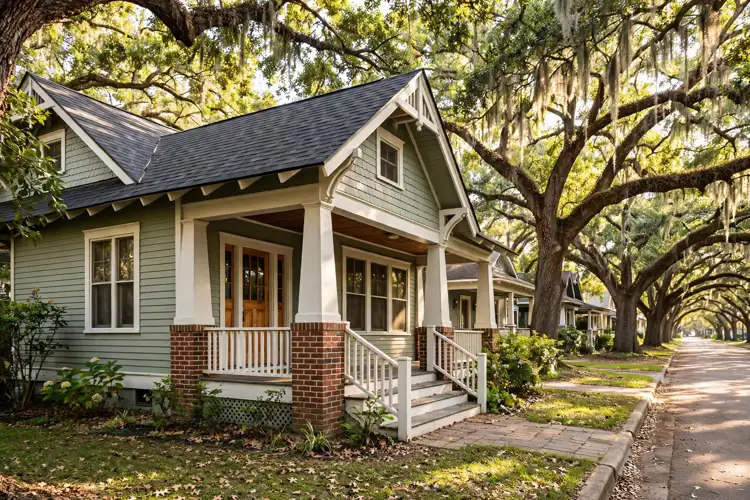 Roof Leak RepairLeaks traced to their source and fixed properly, with the interior damage taken care of too.Explore →
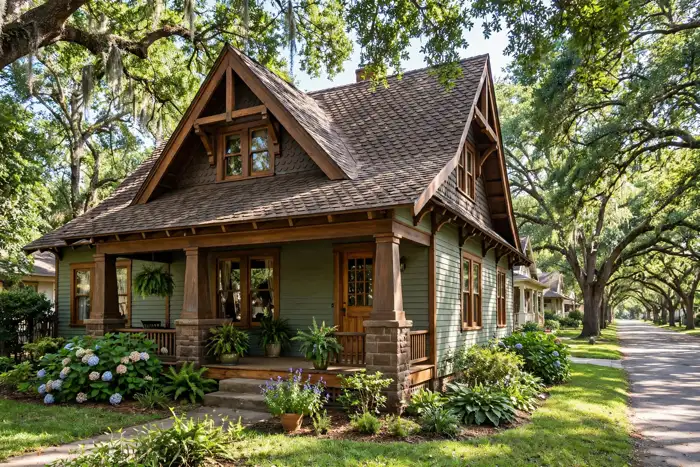 Emergency Roof RepairStorm triage and tarping to dry in an open roof, with a prompt response during office hours.Explore →
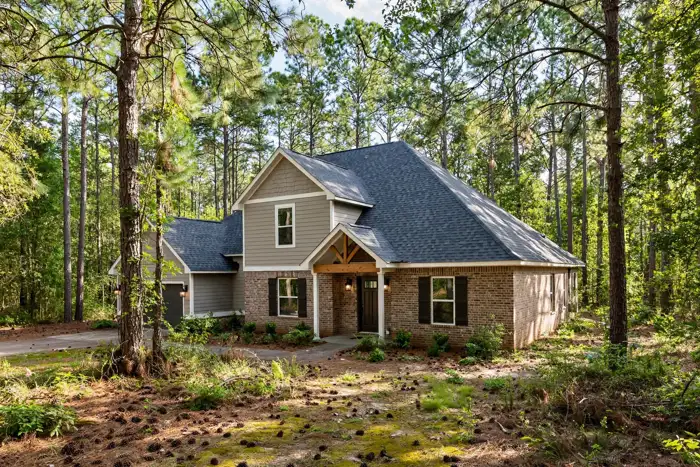 Storm Damage Roof RepairWind, hurricane and tree damage assessed, documented and repaired after the storm.Explore →
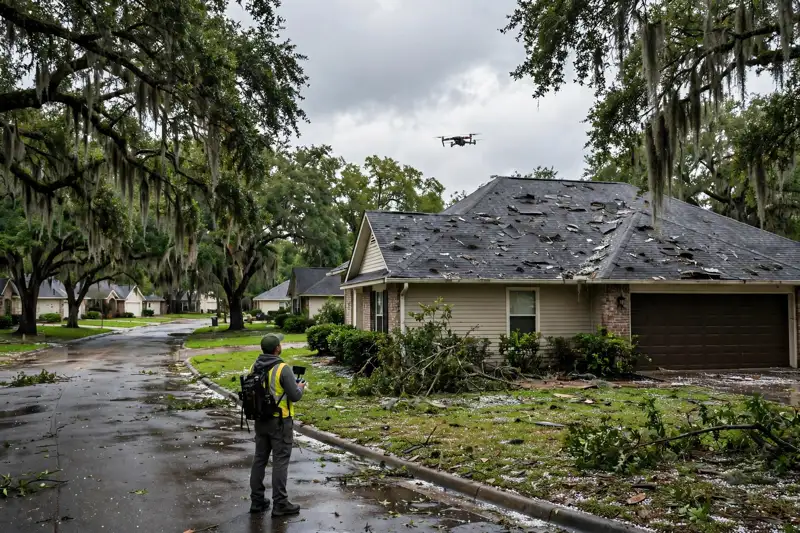 Roof InspectionEvery slope photographed, the attic checked where there is access, and a written assessment with photos and video.Explore →
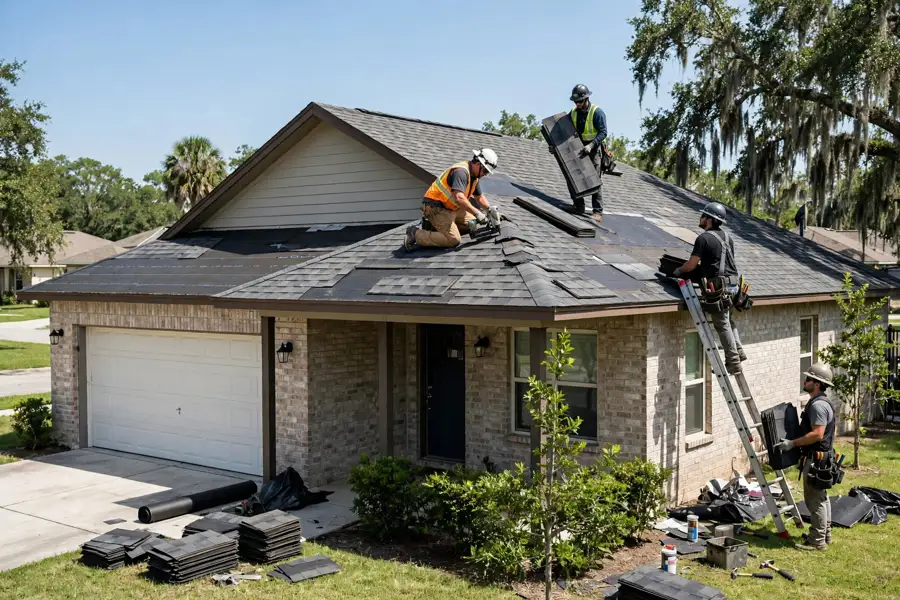 Roof ReplacementFull tear-off to the deck and a complete new system — shingle, metal, tile or flat — with the permit handled.Explore →Roof MaintenanceTune-ups, gutter cleaning and soft-wash roof cleaning that catch small problems early.Explore →
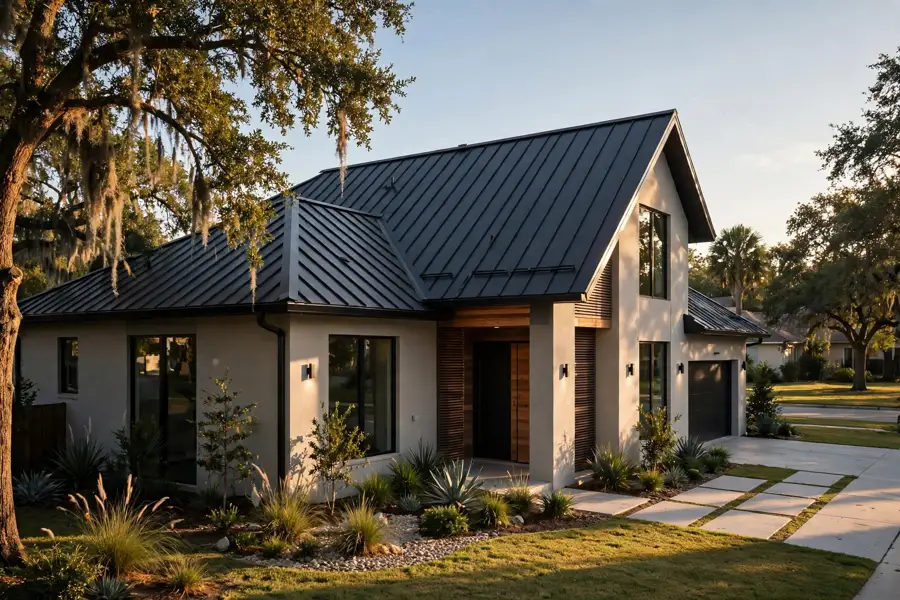 Attic VentilationBalanced ridge and soffit ventilation, vent installation and attic fans for Houston heat and humidity.Explore →
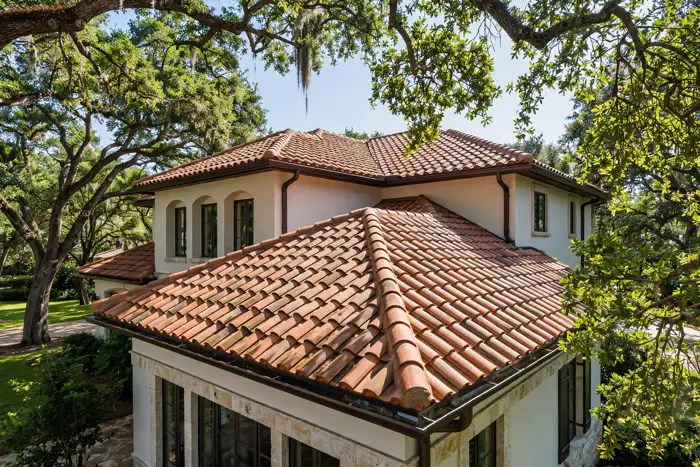 Gutter InstallationGutters and downspouts that move Houston rain off the roof edge instead of under the shingles.Explore →
Call (346) 654-5170 and we will schedule an inspection and put the repair — and whether a repair is really the right call — in writing.
Call (346) 654-5170Call (346) 654-5170 or send us a message and we will get back to you during office hours. Tell us what is happening with your roof and we will tell you what it takes to fix it.