Ceiling stains that keep coming back after patching
We trace the water path to its actual source — often flashing or a valley, not the shingles above the stain — and tell you honestly whether a repair buys time or the deck is too far gone.
Architectural shingles in Houston last about 18–25 years — heat, humidity and hail shorten them. When repair stops making sense, we tear off to the deck and install a complete new roof system. Start with a roof inspection and a written scope, or read how roof repair compares.
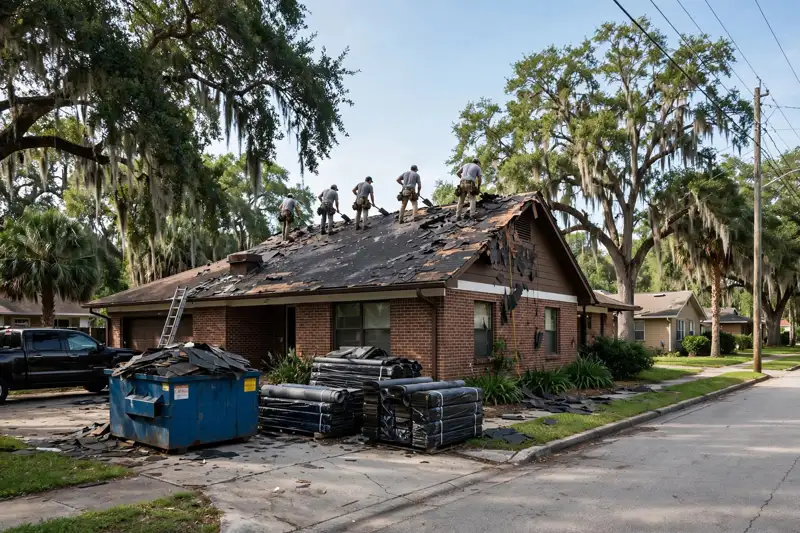
A roof replacement is the full removal of your existing roof system down to the decking, and the installation of a new one: underlayment, flashing, drip edge, ventilation and your choice of shingle, metal, tile or flat membrane. We do not roof over old shingles. The old material comes off, the deck is inspected sheet by sheet, anything soft or rotted is replaced, and the new system goes on in the right order so water has no path in.
A City of Houston Residential Roofing Permit is required for a re-roof inside the city — plan review and inspection, a $33.56 admin fee, about 10 business days’ processing, valid 6 months, with roof covering of 100 sq ft or less in aggregate exempt. Texas has no state roofing licence; Houston has only a voluntary contractor registration. We handle the permit paperwork for your re-roof, and we check your deed restrictions and any HOA or historic-district review before work starts — a permit from the City does not override a private restriction. Material choices are covered on our shingle, metal, tile and flat roofing pages.
Every replacement is a complete system, not just a new surface. Here is what is included, and what a new-roof installation adds on a first-time build.
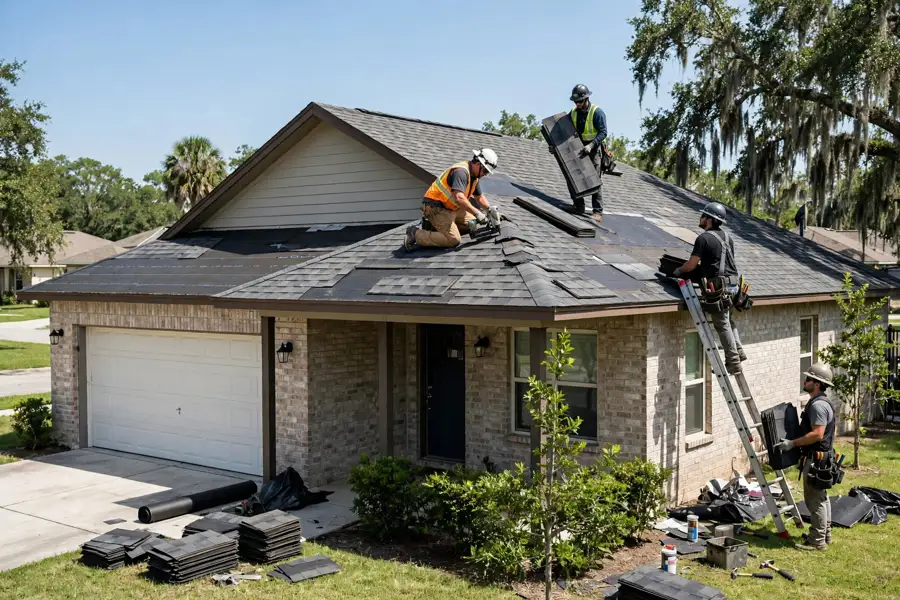
Old shingles, felt and nails come off down to the sheathing. Every sheet is inspected and rotted or delaminated decking is replaced and photographed before the new roof goes on.
The standard Houston pitched roof. Architectural shingles last about 18–25 years here, versus about 30 nationally, because heat and UV age the binder and strip granules faster.
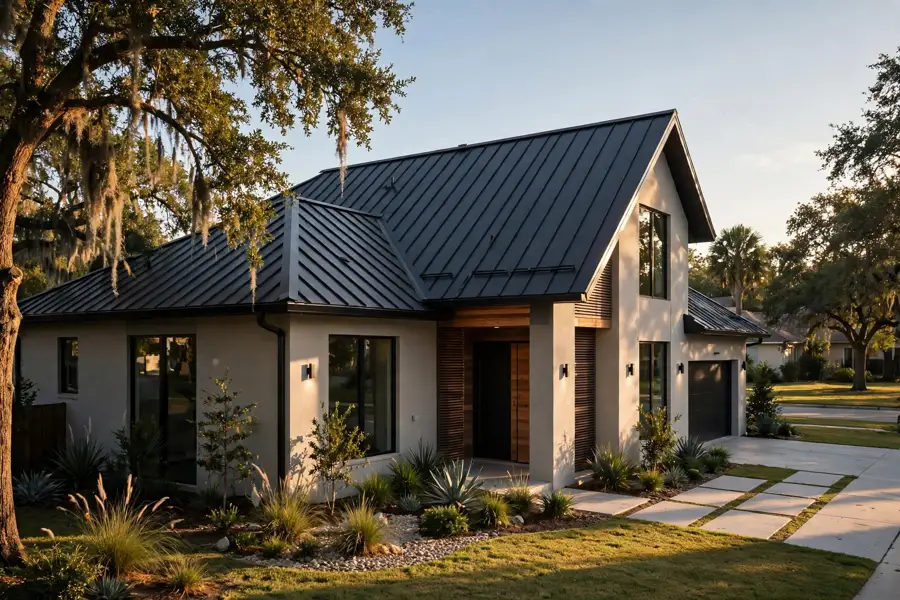
Metal runs 40–70 years and sheds Houston rain well. It suits new custom builds and modern infill in the Heights, Montrose, Memorial and River Oaks, and costs more up front than shingles.
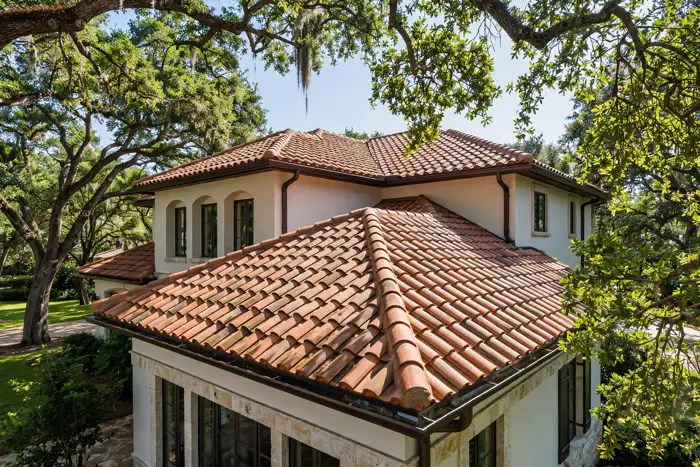
Tile lasts 50 years or more, but the underlayment underneath is the weak point — on many tile re-roofs the job is really an underlayment and flashing job, with the tile lifted and re-laid.
Additions, enclosed porches and modern flat sections get a membrane system — TPO or modified bitumen — with tapered insulation and drains or scuppers sized so water does not pond.
Building new or adding on? A first-time install follows the same sequence — deck, underlayment, flashing, ventilation — with the permit and inspection built into the schedule from the start.
We walk the roof, check the deck from the attic where there is access, and photograph soft spots and failed flashing. You get a written scope — material, ventilation, flashing and decking allowance — before anyone touches the roof.
The re-roof permit is filed and materials are delivered. Landscaping is protected, the AC condenser is covered, and dumpster placement is planned around your driveway.
The crew strips the old roof and inspects every sheet of decking. Rotted or delaminated sheathing is replaced and photographed. A typical 2,000-square-foot ranch tears off in one day with a full crew.
Underlayment and flashing go down first so the deck is never left bare overnight. Then drip edge, valley and chimney flashing, and the shingle, metal or tile field, capped with ridge ventilation.
We sweep the yard with a magnet, clear the gutters and haul the debris. Then we walk the roof with you, show the photos, and confirm the ventilation and flashing details.
Purpose-built equipment, used by trained technicians — so the job is done accurately the first time.
Fast, consistent nailing to the manufacturer's pattern and depth, which is what wind performance depends on.
Lifts shingle bundles onto steep roofs safely so the crew is not carrying weight up a ladder.
Confirms whether decking is wet before we quote, and checks the attic side of the deck during inspection.
Clean cuts at valleys, hips and rakes, and hand-setting where a nail gun does not belong.
Straight course lines and a stable ladder footing on Houston's varied roof pitches.
Fall protection for every crew member on every roof, tied off to a proper anchor.
Before: granule loss and bruising across the slopes, with leaks patched more than once and the stain returning after heavy rain.
After: a tear-off to the deck, soft sheathing replaced, and a complete new shingle system with new valley flashing and ridge ventilation.
Before: clay tile still sound, but the underlayment beneath it had failed and water was reaching the deck at the valleys.
After: the tile lifted and salvaged, underlayment and valley flashing replaced, soft decking repaired, and the original tile re-laid.
Before: ridge caps and shingles lifted by a wind event, the ridge open and rain getting into the attic.
After: the opening dried in, the wind damage documented with photos, and a new system installed with upgraded ridge ventilation.
Most Houston roof failures start small and hide. These are the ones we see most, and what happens if they are left alone.
Call (346) 654-5170We trace the water path to its actual source — often flashing or a valley, not the shingles above the stain — and tell you honestly whether a repair buys time or the deck is too far gone.
We document the wind damage with photos, dry in anything open, and either repair to match or quote a replacement if the shingles are at end of life.
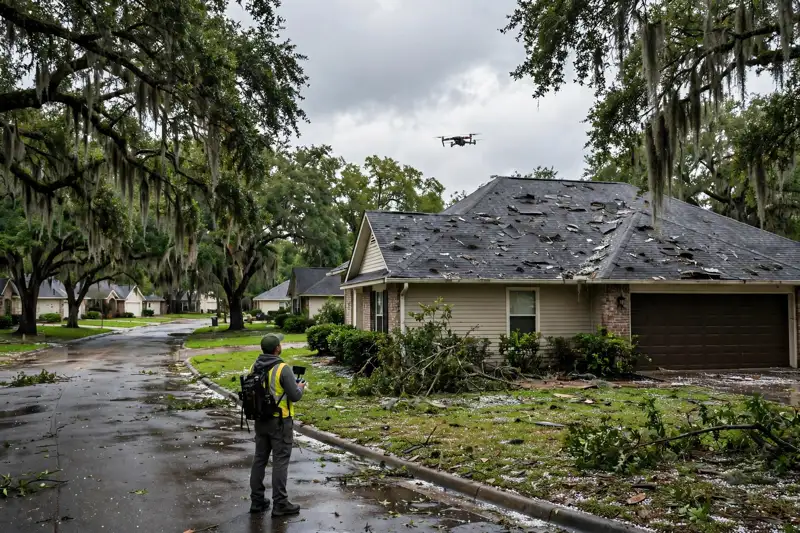
Hail damage is assessed from the roof surface, not the driveway. We photograph granule loss, bruising and soft-metal damage and help you decide between repair and replacement.
We size ridge ventilation and soffit intake to the roof and check the balance at the final walk. Ventilation is part of every replacement we do — see our attic ventilation page.
“My roof was getting close to the end of its life and had started leaking, plus there was some sagging. Manny was upfront with me from the start and took the time to explain my options so we could figure out what actually made sense for my situation. The replacement was done right, and I never got the feeling anyone was cutting corners. If you need a roofer you can actually trust to do the job carefully, I highly recommend this company.”
Liam YangGoogle review · 3 months ago
✓ Google review“I had completely roofing done on my house, Manny and his crew did great job! And they got the job done in a day then clean very good after all. Very happy!”
kim nguyenGoogle review · 6 months ago
✓ Google reviewWe do not write, edit, or invent reviews: every review quoted here is a verbatim Google review of Bridgegate Construction LLC. There are 31 Google reviews in total, all 5 stars. Read all 31 reviews on our Google profile.
As market context only — not a quote — Angi’s Houston figures put a replacement at an average of $9,752, with most jobs between $6,712 and $13,123 (August 2026). Your price depends on roof area, pitch, decking condition and material, and whether tear-off, underlayment, flashing, ventilation, permit and disposal are included. We give you a written scope so you can see what is in the number.
A typical Houston home takes two to three days from tear-off to final cleanup: tear-off usually one day, dry-in and install the next, with ridge ventilation, flashing detail and cleanup to finish. Larger homes, tile roofs or heavy deck replacement take longer. The deck is never left bare overnight — underlayment goes down before the crew leaves.
Yes, inside the City of Houston a Residential Roofing Permit is required for a re-roof or overlay — plan review and inspection, a $33.56 admin fee, about 10 business days’ processing, valid 6 months. Roof covering of 100 sq ft or less in aggregate is exempt. In unincorporated Harris County there is no residential roofing permit. We handle the permit paperwork for your re-roof.
No. Texas has no state roofing licence, and Houston has only a voluntary contractor registration. Anyone can call themselves a roofer in Texas, so check references, reviews and written scope — and confirm the business will pull the City permit and pass the City inspection.
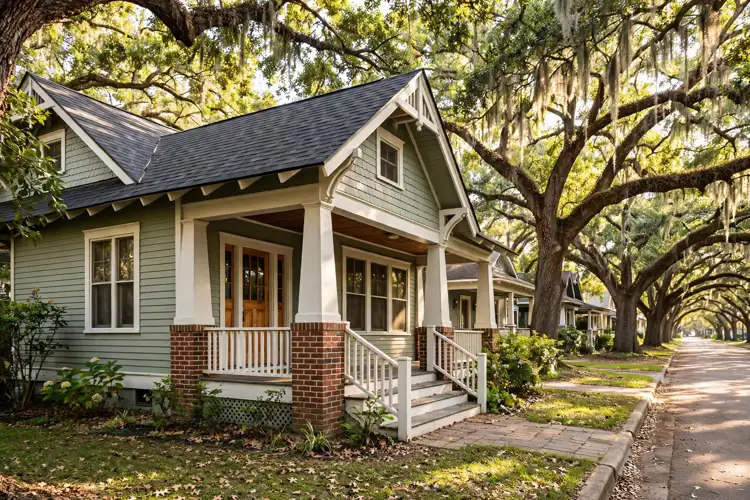 Roof RepairShingle, flashing, vent-boot, valley and ridge-cap repairs, plus fascia and soffit at the roof edge.Explore →
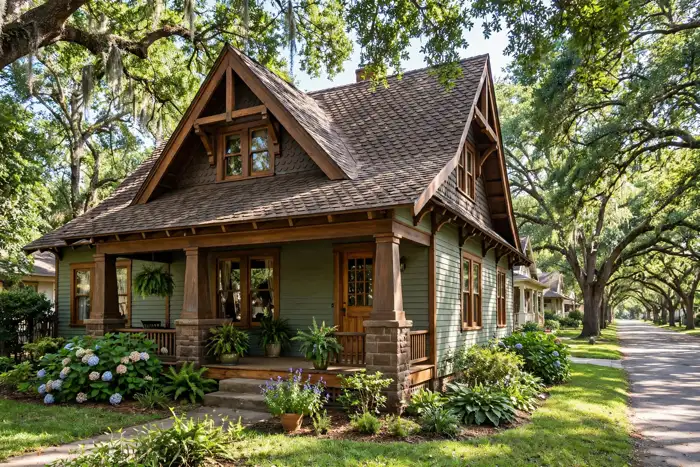 Roof InspectionEvery slope photographed, the attic checked where there is access, and a written assessment with photos and video.Explore →
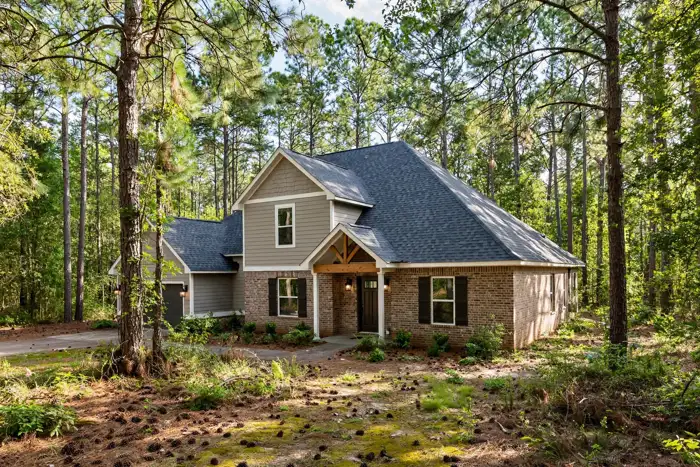 Roof Leak RepairLeaks traced to their source and fixed properly, with the interior damage taken care of too.Explore →
 Shingle RoofingArchitectural shingles — the standard Houston pitched roof — and impact-resistant options.Explore →
 Metal RoofingStanding-seam metal that sheds Houston rain and lasts 40–70 years.Explore →Tile RoofingClay and concrete tile — long-lived, with underlayment and flashing doing the real work.Explore →
 Flat RoofingLow-slope TPO, PVC and modified bitumen systems for additions, townhomes and commercial roofs.Explore →
 Attic VentilationBalanced ridge and soffit ventilation, vent installation and attic fans for Houston heat and humidity.Explore →
Call (346) 654-5170 and we will schedule an inspection and give you a written scope for your roof. No invented prices, no pressure — just what your roof needs and what it will take.
Call (346) 654-5170Call (346) 654-5170 or send us a message and we will get back to you during office hours. Tell us what is happening with your roof and we will tell you what it takes to fix it.