An attic that cooks the shingles
Without airflow, attic heat ages shingles from underneath. Balanced ventilation is the fix, not a different shingle.
Without adequate ventilation, a Houston attic reaches 140–160°F and cooks shingles from underneath while humidity rots the decking from the inside. Ventilation is a system — intake and exhaust in balance — not a single vent. Start with a roof inspection to see what your attic is actually doing.
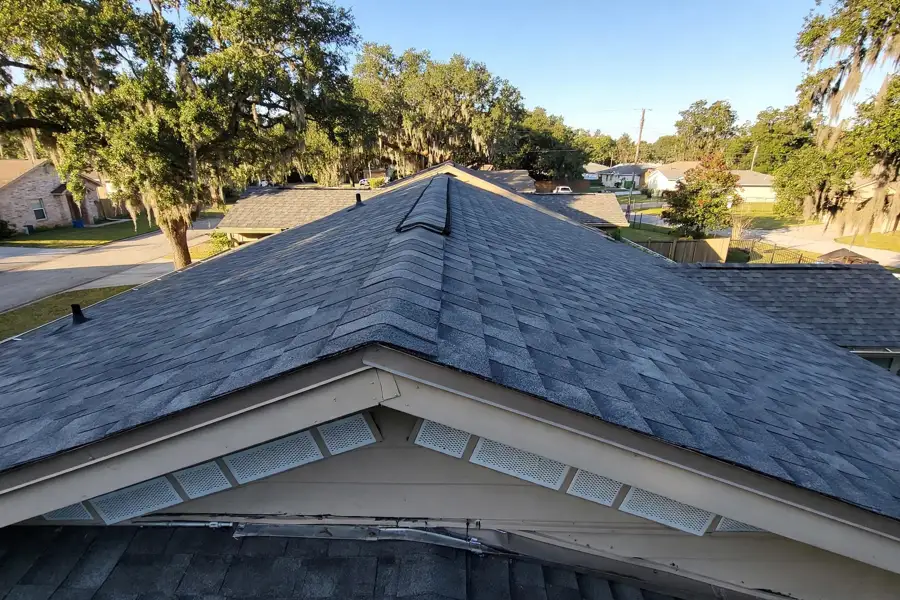
Attic ventilation moves hot, moist air out of the attic and brings cooler air in, through a balanced system: intake at the soffits, exhaust at the ridge, and a clear air path between them. In Houston’s hot-humid climate the stakes are higher than elsewhere — attics reach 140–160°F without adequate ventilation, shingles age faster from underneath, and humidity trapped in the attic rots decking without any visible stain inside the house.
This page covers roof vent installation too: ridge vents, soffit vents and attic fans are parts of the same system, and installing one without the others can make ventilation worse, not better. Ventilation failure is a documented Houston failure mode — pre-1980s bungalows in Montrose, legacy stock in EaDo and townhomes in Midtown were often built with gable or box vents only, well short of balanced ridge-to-soffit ventilation. See roof replacement if ventilation is being fixed as part of a new roof, and roof maintenance to keep intake vents clear.
Ridge vents, soffit vents and attic fans are parts of one system. Here is what each part does, and how they are installed together.
Continuous ridge exhaust, cut into the ridge and capped, so hot air leaves along the full length of the roof instead of through a few hot spots.
Intake vents at the soffits, cleared and sized to match the ridge exhaust — without intake, a ridge vent cannot move air.
Powered attic fans where passive ventilation cannot do the job alone — installed as part of the balanced system, not as a substitute for it.
The attic is checked for temperature, moisture and airflow, and the existing vents are measured against the roof’s needs before anything is installed.
Soffit vents blocked by insulation or paint are cleared, and the air path from soffit to ridge is opened — the most common fix on older Houston homes.
Temperature, moisture and airflow are checked, and the existing vents are measured against the roof’s needs — before anything is installed.
Intake and exhaust are sized to the roof in balance, with a clear air path from soffit to ridge. The ratio is applied to your roof, not to a catalogue.
Soffit vents are installed or cleared, and blocked air paths are opened, so air can actually enter the attic.
Ridge venting is cut in and capped, and attic fans added only where passive ventilation cannot do the job alone.
The system is checked at the end of the job — intake open, exhaust moving air, and the attic temperature and moisture recorded.
Measured first, then installed — ventilation is sized to the roof, not guessed from a catalogue.
Checks attic moisture and decking dampness before and after the work, so the fix is verified, not assumed.
Attic temperature is measured, not guessed, so the ventilation is sized to what the attic is actually doing.
Clean ridge cuts for continuous ridge venting, and neat openings for soffit vents.
Careful work around existing courses so the new vents sit flat and seal.
A stable ladder footing on Houston’s varied roof pitches, so the crew can work safely.
Fall protection for every crew member on every roof, tied off to a proper anchor.
Before: a pre-1980s bungalow with gable vents only, an attic over 150°F in summer, and shingles ageing from underneath.
After: ridge and soffit vents installed in balance, with the air path opened and the attic temperature checked.
Before: soffit intake blocked by insulation, so the ridge vent was moving almost no air and the deck was staying damp.
After: the intake cleared and the air path opened, so the system works as designed.
Before: a townhome with a hot flat section and condensation on the deck.
After: ventilation added to the flat section and the deck checked for moisture damage.
Most Houston roof failures start small and hide. Poor ventilation is the quietest of them — it does its damage from the inside.
Call (346) 654-5170Without airflow, attic heat ages shingles from underneath. Balanced ventilation is the fix, not a different shingle.
Houston humidity plus poor ventilation rots decking from the inside without visible interior staining. The attic check finds it.
A ridge vent without soffit intake moves almost no air. We size and install both sides of the system.
The attic is your air conditioning’s environment — ducts run through it. Ventilation is part of the answer, not the whole of it, and we say so.
Every review quoted on this site is a verbatim Google review. Read more on our Google profile.
Because Houston is hot and humid. Without adequate ventilation an attic reaches 140–160°F, which cooks shingles from underneath and shortens their life, while trapped humidity rots decking from the inside without any visible stain in the house. Ventilation is the system that keeps both in check.
Intake and exhaust in balance: air enters through soffit vents, travels up the attic, and leaves through the ridge vent. The residential code ratio commonly cited is 1/150 net free vent area — or 1/300 with balanced ridge-to-soffit ventilation — but the ratio has to be applied to your roof’s size and shape, not to a catalogue. We measure the attic before sizing anything.
An attic fan can help where passive ventilation cannot do the job alone, but it is part of the system, not a substitute for it. A fan without adequate soffit intake just pulls air from the wrong places. We assess the attic first, then decide whether a fan belongs in the system at all.
Yes — ventilation is part of every replacement we do. The ridge vent and soffit intake are sized to the new roof and checked at the final walk, because a new roof on an unventilated attic ages faster than it should. See our roof replacement page for the full scope.
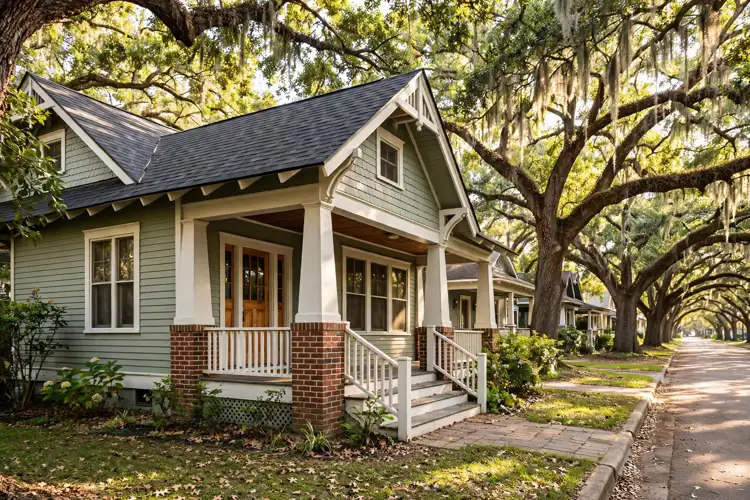 Roof ReplacementFull tear-off to the deck and a complete new system — shingle, metal, tile or flat — with the permit handled.Explore →Roof InspectionEvery slope photographed, the attic checked where there is access, and a written assessment with photos and video.Explore →
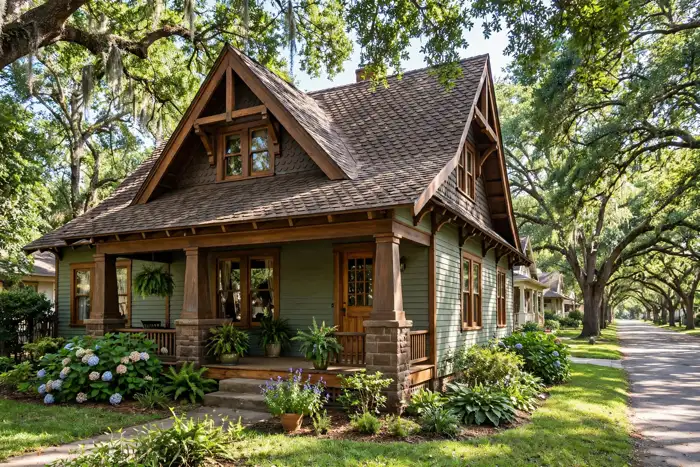 Roof MaintenanceTune-ups, gutter cleaning and soft-wash roof cleaning that catch small problems early.Explore →
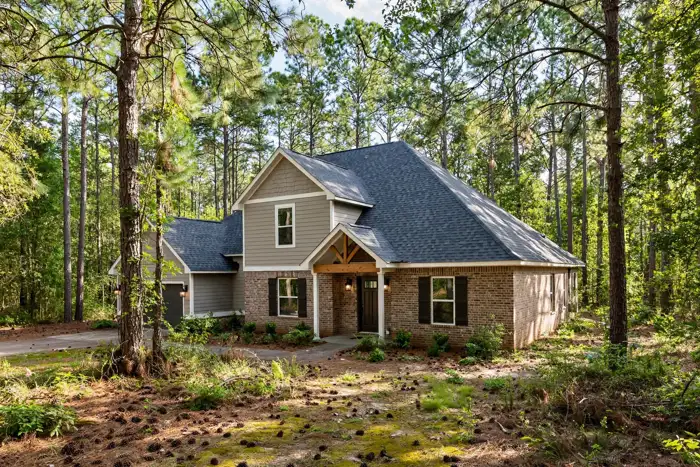 Roof RepairShingle, flashing, vent-boot, valley and ridge-cap repairs, plus fascia and soffit at the roof edge.Explore →
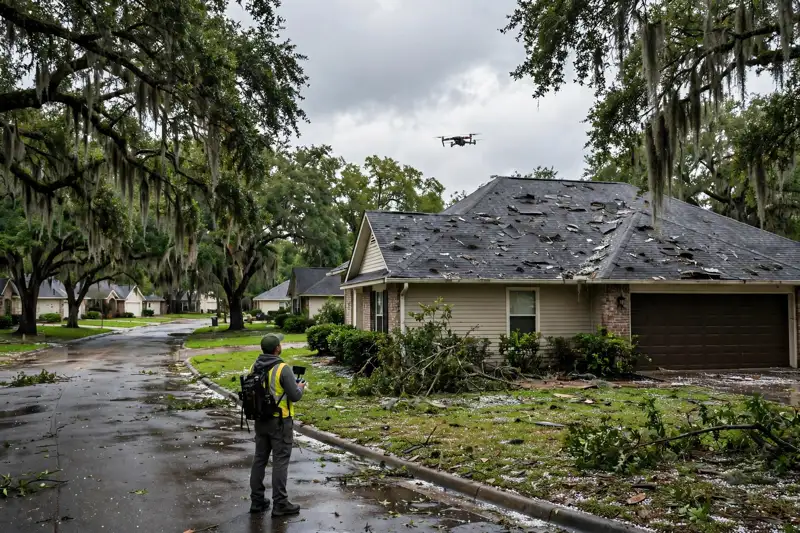 Residential RoofingEverything we do on Houston homes, from inspection to final walk.Explore →
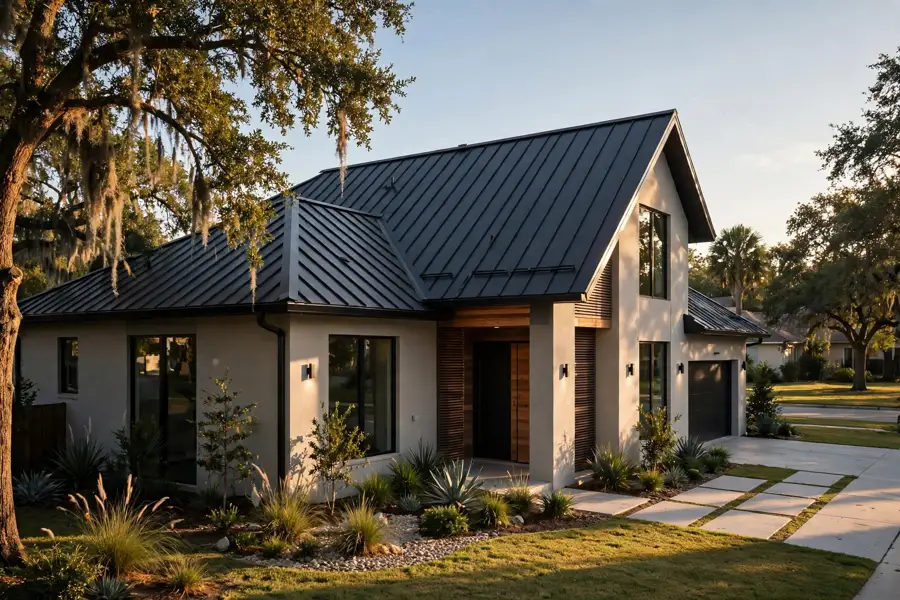
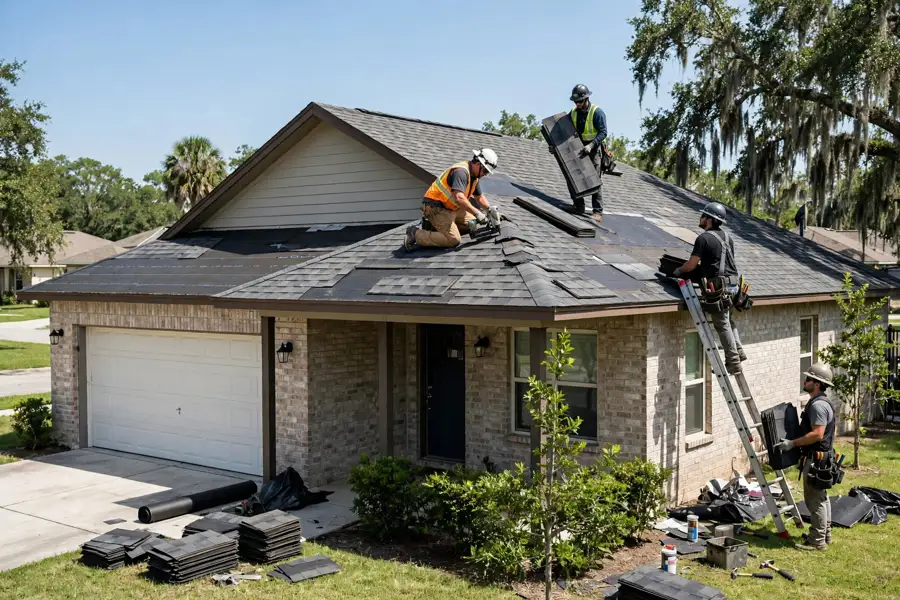 Shingle RoofingArchitectural shingles — the standard Houston pitched roof — and impact-resistant options.Explore →Metal RoofingStanding-seam metal that sheds Houston rain and lasts 40–70 years.Explore →
 Flat RoofingLow-slope TPO, PVC and modified bitumen systems for additions, townhomes and commercial roofs.Explore →
Call (346) 654-5170 during office hours. We will check your attic’s temperature, moisture and airflow, and tell you what the system actually needs.
Call (346) 654-5170Call (346) 654-5170 or send us a message and we will get back to you during office hours. Tell us about the attic — hot rooms, a musty smell, or shingles ageing early.