Ponding water after heavy rain
We find why the water is not leaving — blocked drain, undersized scupper, or a true zero-slope area — and fix the drainage, usually with tapered insulation, instead of just patching the membrane.
Flat and low-slope roofs are a different trade from pitched roofs: the water does not run off, it has to be drained. In Houston that means ponding, scupper and drain sizing, tapered insulation and parapet flashing decide whether the roof stays dry through a Gulf downpour. We work on residential flat sections — porch and garage roofs, townhome decks, bungalow additions — and on commercial flat roofs across Midtown, EaDo, Downtown and the Galleria. Call (346) 654-5170 and we will inspect the membrane, the drains and the deck.
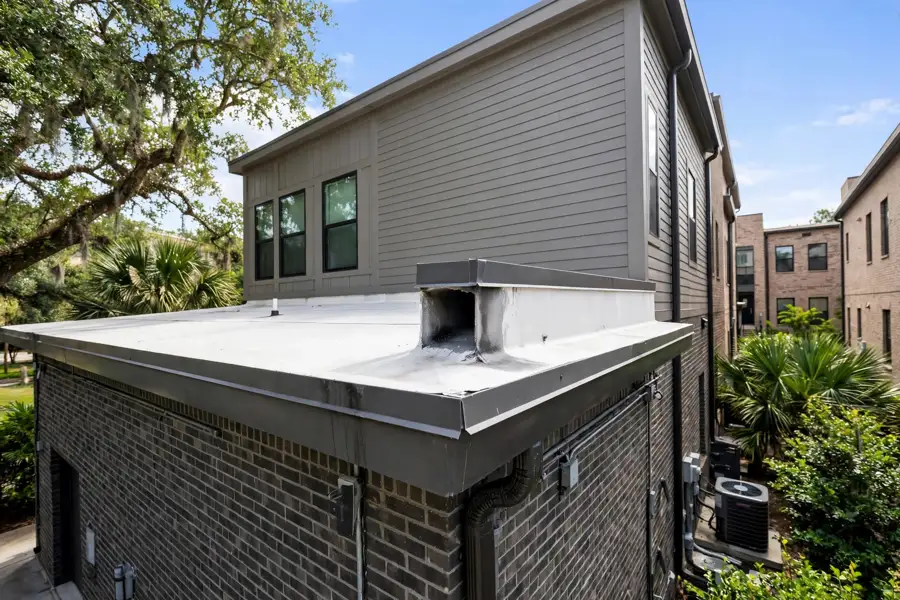
A flat roof is a drainage system with a membrane on top. We start by checking how water leaves the roof: interior drains, scuppers and gutters, and whether any area holds water 48 hours after rain. Then we look at the membrane — TPO, EPDM or modified bitumen — the seams, the flashing at parapets, curbs and penetrations, and the deck underneath. Flat membranes in Houston last roughly 15 to 25 years, and most fail at a seam, a drain or a flashing detail long before the membrane itself wears out.
The residential flat story in Houston is the townhome: Midtown's 1993–2008 townhomes are now 18 to 33 years old, squarely in the membrane delamination and blister zone, and EaDo's newer townhomes can leak within a few years where ponding was never addressed. The commercial story is Downtown high-rises and Galleria condos, where the roof membrane usually belongs to the building or the association, not the unit owner — so the first step is often a written scope letter saying who owns what. Houston averages about 51.8 inches of rain a year, and rooftop temperatures on flat sections routinely pass 160 degrees in summer. Texas has no state roofing licence, so ask any roofer what they actually hold — we will tell you plainly.
A flat roof job is decided at the deck and the drains, not at the membrane roll. Here is what we cover.
We strip the failed membrane and insulation to the deck and haul it away, so we can see soft decking instead of covering it with a new layer.
New insulation and cover board go down, tapered where the roof needs slope to drain. Tapered insulation is how a flat roof stops ponding without rebuilding the structure.
TPO, EPDM or modified bitumen, installed to the system specification — heat-welded seams for TPO, primed and taped seams for EPDM, torched or self-adhered plies for modified bitumen.
Parapet flashing, curb flashing, drain collars and scuppers are detailed by hand. These are the leak points on a flat roof, and they are never rushed.
We test that drains and scuppers actually move water, clear blockages and flag undersized drainage. A new membrane over a drain that cannot cope is money wasted.
We walk the membrane, check drains and scuppers, look for ponding and blistering, mark water still standing two days after rain, and scan the deck for moisture. You get photos and a written scope before any work is agreed.
We recommend the membrane that fits the roof — TPO for reflective commercial decks, EPDM where flexibility matters, modified bitumen for small residential sections — and explain the trade-offs honestly.
We strip the failed system to the deck, replace soft or rotted decking, and lay insulation and cover board, tapered where drainage needs it.
The membrane goes down with its seams welded, taped or torched to specification, and every parapet, curb and penetration is flashed and sealed. We also mark the paths where foot traffic crosses the roof, so the membrane choice accounts for them.
We check the drains, walk the roof with you, and show photos of the finished details. If anything looks off after the job, call us and we will come back and look.
Flat roof work is welding, measuring and water-testing. The right tools matter — but the drain check matters more.
Finds trapped moisture under a membrane without tearing the whole roof up. On a flat roof, the leak is rarely where the ceiling stain is.
Confirms whether decking under a blistered membrane is wet or dry, so we replace only what is actually damaged.
Welds TPO seams into a single continuous membrane. Weld temperature and speed decide whether a seam holds for decades or fails in a year.
Fasten insulation and cover board with consistent depth across the field.
Keep the crew safe on roof edges and two-storey townhomes. Fall protection is standard on every job.
Keep membrane courses, seams and tapered insulation layout straight across a large flat deck.
The situation: a 1990s Midtown townhome whose flat section holds water for days after rain, with blistering membrane and a soft spot near the drain.
How we approach it: we probe the deck, strip the failed membrane, replace damaged decking, and install a new membrane over tapered insulation so water actually reaches the drain.
The situation: a newer EaDo townhome with a rooftop terrace that leaks into the room below after heavy rain, even though the membrane is only a few years old.
How we approach it: we inspect the terrace drains, scuppers and flashing details — on new townhomes the cause is usually drainage or detailing, not membrane age — and quote the fix for the cause.
The situation: An apartment block in Sharpstown whose flat roof blisters every summer, with soft spots near the drains and tenants reporting stains on the top floor.
How we approach it: we probe the deck, strip the failed membrane, replace damaged decking, and install a new membrane over tapered insulation so water reaches the drain — phased so the building stays occupied.
Flat roofs fail at water, not at age. These are the failures we are called about most.
Ask a pro →We find why the water is not leaving — blocked drain, undersized scupper, or a true zero-slope area — and fix the drainage, usually with tapered insulation, instead of just patching the membrane.
We re-weld or re-tape failed seams and re-secure lifted edges, then check the rest of the field for the same failure. Widespread seam failure usually means replacement, and we will say so.
Parapet, curb and penetration flashing are the most common flat-roof leak points. We strip the detail back and re-flash it properly instead of coating over it.
Summer rooftop temperatures over 160 degrees blister membranes with moisture trapped underneath. We cut out blistered sections, dry or replace the wet insulation, and re-weld — a coating over a blister hides the problem.
“Used them for my bodyshop to do some Sheetrock work, ended up using them for my roof and remodel at my house. They gave me deadlines and knocked it out in time. They even helped with all my permits. Manny was here through every step even fought with my insurance company to make sure I get what I was supposed to. Went from business transaction to long time friendship”
Amer ZuriGoogle review · a month ago
✓ Google reviewEvery review quoted on this site is a verbatim Google review of Bridgegate Construction LLC. Read all 31 reviews on our Google profile.
As market context only — not a quote: Angi's Houston figures put a 1,000-square-foot flat replacement at roughly $3,000 to $10,000, with most jobs between $2,575 and $6,815 and an average near $4,594. Per-square-foot figures vary widely by scope — residential low-slope TPO around $5 to $8 per square foot including insulation, against $14 to $20 per square foot all-in for a commercial tear-off and new system. Same material, different scope. We quote your roof in writing after inspecting it.
Flat membranes in Houston last roughly 15 to 25 years, with 60-mil TPO at the longer end of that range. Heat, UV and ponding shorten life; good drainage and intact seams stretch it. The 1993–2008 Midtown townhome cohort is now squarely in the replacement window.
There is no single best material — it depends on the roof. TPO suits reflective commercial decks and newer townhome flats; EPDM suits roofs that need flexibility; modified bitumen suits small residential sections and repairs. We recommend by roof, not by habit, and explain the trade-offs.
Yes, inside the City of Houston a Residential Roofing Permit is required for a re-roof, with plan review and inspection, a $33.56 administration fee and about 10 business days' processing; roof covering of 100 square feet or less in aggregate is exempt. In unincorporated Harris County there is no residential roofing permit. Texas has no state roofing licence.
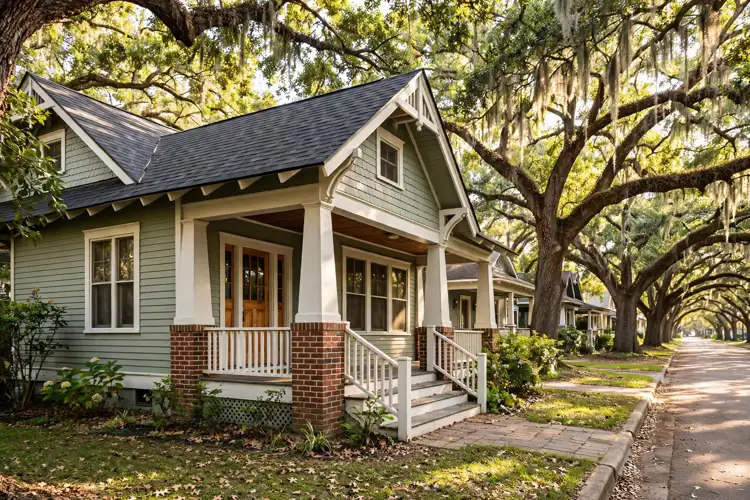 TPO RoofingWhite, heat-welded TPO membrane for flat decks and commercial roofs — reflective, and only as good as its seams.Explore →EPDM RoofingFlexible EPDM rubber membrane for flat and low-slope roofs, with primed and taped seams done properly.Explore →
 Modified Bitumen RoofingTwo-ply modified bitumen for small flat sections — additions, porches and garages across the inner loop.Explore →
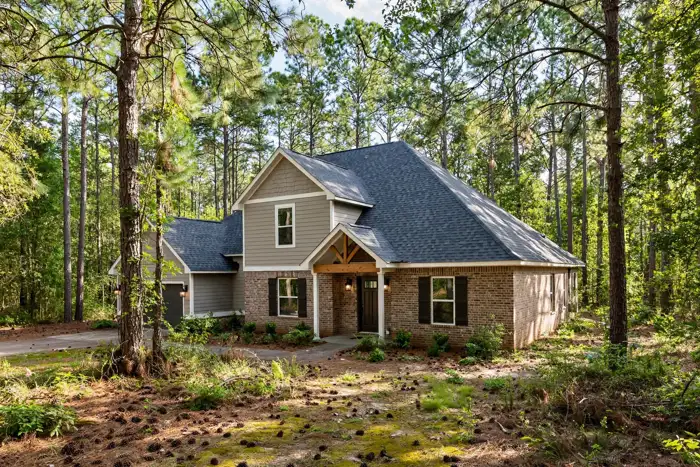 Commercial RoofingFlat and low-slope systems for offices, retail and warehouses, with the drainage and scope a building owner needs.Explore →
 Roof ReplacementA full replacement strips the old roof to the deck and installs a new system — the right call when repairs stop making sense.Explore →
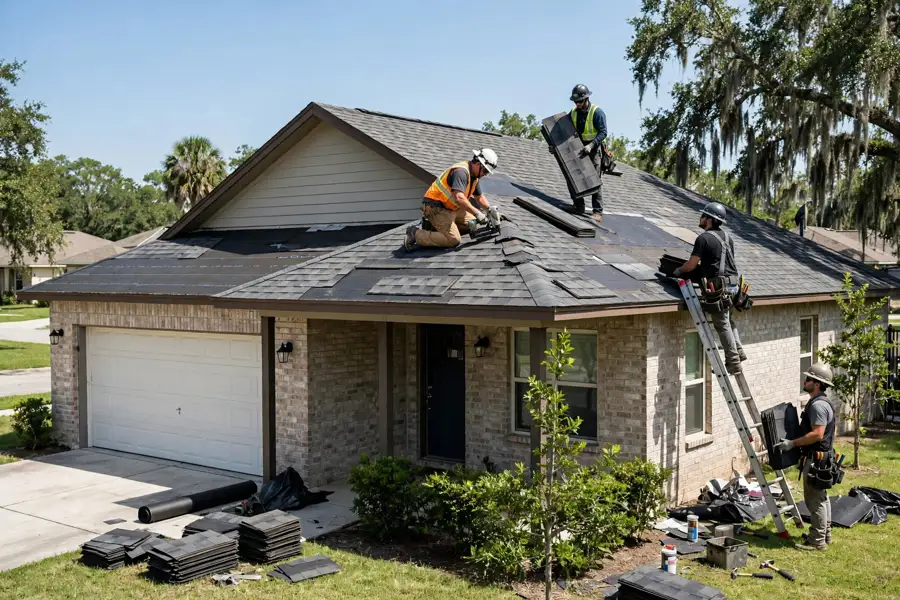 Roof RepairLeaks, lifted shingles and failed flashing, fixed at the cause — not covered over.Explore →Roof InspectionA photo-documented inspection of the deck, flashing and penetrations, with a written scope of what needs work now and what can wait.Explore →
 Roof Leak RepairActive leaks and ceiling stains traced to the entry point — water travels, so we find the cause before we quote the fix.Explore →
We will inspect the membrane, the drains and the deck, and give you a written scope — repair or replacement, with the drainage fix included. Call (346) 654-5170 or request an inspection online.
Schedule an inspection — (346) 654-5170 →Call (346) 654-5170 or send us a message and we will get back to you during office hours. Tell us what is happening with your roof and we will tell you what it takes to fix it. Office hours: Mon–Wed 8 AM–6:30 PM · Sat 9 AM–6:30 PM · Sun Closed.