Underlayment failure under original tile
Tiles can outlive their underlayment by decades. We lift the tile, replace the underlayment and flashing, and relay the same tile — a lift-and-relay, not a new tile roof.
Clay and concrete tile are the longest-lived pitched roofs in Houston — 50 years or more — and they concentrate where the architecture calls for them: River Oaks, Memorial and Tanglewood, on Mediterranean and Spanish Revival homes. But tile is heavy, and on a tile roof it is the underlayment and flashing that fail first, not the tile. If your tile roof is leaking, or you are weighing tile for a new build, call (346) 654-5170 and we will inspect the system, not just the surface.
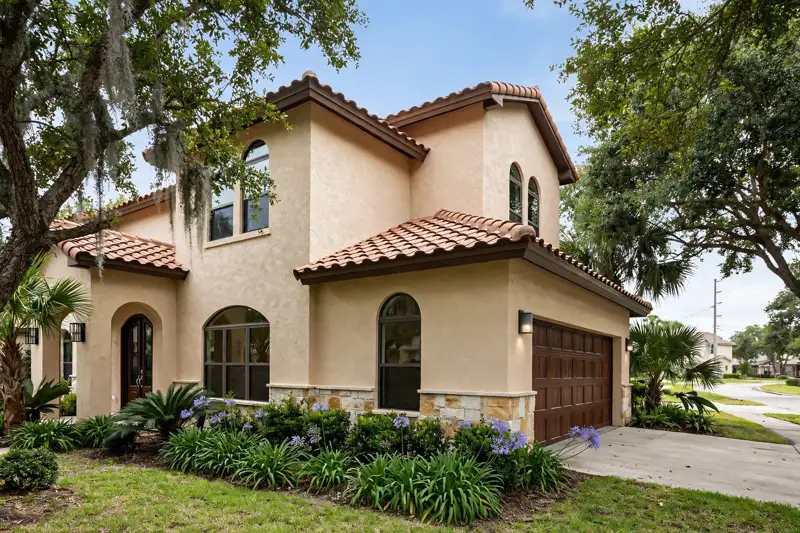
A tile roof is three things at once: the tile you see, the underlayment and flashing underneath that actually keep water out, and the structure carrying the weight. We start by checking the deck and the framing, because tile is heavy and not every Houston frame can carry it — a material change can trigger a structural review, and we will not quote tile for a house whose structure we have not looked at. Then comes high-temperature underlayment, new flashing at every valley, chimney and penetration, and tile set to the manufacturer's pattern.
In River Oaks, tile is often an underlayment job, not a tile job: original clay tile can be 90 to 100 years old and outlive its underlayment by decades, so the right repair is to lift the tile, replace the underlayment and flashing, and relay the same tile. That work is quoted per roof, never from a table. River Oaks also has its own review layer — the River Oaks Property Owners association requires written architectural approval before any change to roofing material type or colour, and work must wait for it. In Memorial and Tanglewood, tile appears on Mediterranean infill and custom rebuilds, where the same weight and underlayment questions apply.
Tile work is mostly inspection, underlayment and flashing — the tile itself is often the part that lasts. Here is what a job covers.
We inspect the deck and the framing before quoting. Tile is heavy, and a roof that was built for shingles may need a structural review before tile goes on.
Tile roofs in Houston heat need underlayment rated for the temperature under tile. This is the waterproofing layer — the tile sheds most water, the underlayment stops the rest.
A self-adhering leak barrier goes at eaves, valleys and around penetrations, where wind-driven rain is most likely to get under tile.
We replace valley flashing, chimney flashing, step flashing and drip edge. On tile roofs, flashing details at hips, ridges and penetrations are where leaks start.
Tile is set to the manufacturer's pattern with the right fastening for the pitch and exposure. We do not mix tile profiles or reuse cracked tile and call it a repair.
We clear broken tile and debris, magnet-sweep for fasteners, and walk the roof with you, showing photos of the underlayment and flashing work that will be hidden once tile is laid.
We walk the roof, look at the tile, the underlayment at the eaves and the flashing, and check the structure. You get a written scope that says whether this is a repair, a lift-and-relay or a full replacement.
Where tile must come off, we lift and stack reusable tile, strip the old underlayment and replace damaged sheathing. Salvaged tile is kept for relaying, not discarded.
New high-temperature underlayment and leak barrier go down, then new flashing at valleys, chimneys and penetrations — the work that decides whether the roof stays dry.
Tile is set to specification, hips and ridges are finished, and penetrations are flashed and sealed. On a lift-and-relay, original tile goes back in its place.
We walk the roof with you, show photos of the hidden layers, and clear the site. If anything looks off after the job, call us and we will come back and look.
Tile work is careful work: heavy material, fragile edges and hidden waterproofing. The tools are simple; the method is what matters.
Cut tile cleanly at hips, valleys and ridges so edges sit tight and shed water instead of catching wind.
Find moisture under tile and in the deck without lifting the whole field. On tile roofs, the leak is rarely where the stain is.
Keep tile courses straight and lift tile and materials onto the roof safely. Tile is heavy — staging it wrong cracks it.
Keep the crew safe on steep tile pitches and two-storey roofs. Fall protection is standard on every job.
Fasten underlayment and battens with consistent depth. Correct fastening matters for wind uplift on tile as much as on shingles.
The situation: a Mediterranean home in River Oaks with original clay tile and a leak that appears at the eaves after heavy rain. The tile looks sound.
How we approach it: we inspect the underlayment at the eaves — on a roof this age it is usually the failed layer — and quote a lift-and-relay of that section, after confirming the ROPO approval step with the owner.
The situation: a new custom build in Memorial where the owners want clay tile to match the architecture, and need to know whether the structure can carry it.
How we approach it: we inspect the framing and deck first, confirm the structural question before quoting, and explain the underlayment and flashing system that will actually keep the house dry.
The situation: A Mediterranean rebuild in Tanglewood where the owners are weighing clay tile against standing-seam metal, with the underlayment — not the tile — deciding the long-term cost.
How we approach it: we price both systems against the roof, not a catalogue, and walk through how each handles Houston heat, hail and the flashing details where the systems meet.
Tile rarely fails. What fails is everything underneath it and around it. These are the calls we get.
Ask a pro →Tiles can outlive their underlayment by decades. We lift the tile, replace the underlayment and flashing, and relay the same tile — a lift-and-relay, not a new tile roof.
Hail cracks tile and displaces slate. We replace the damaged pieces and inspect the underlayment underneath, because a cracked tile is often a sign of impact the underlayment also took.
We trace the leak and re-flash the detail properly. On tile roofs, chimney and skylight flashing are the most common leak points.
We replace missing tile and check the fastening on the surrounding field. After a storm, we also check the ridge and hip tile, which lift first in high wind.
“Used them for my bodyshop to do some Sheetrock work, ended up using them for my roof and remodel at my house. They gave me deadlines and knocked it out in time. They even helped with all my permits. Manny was here through every step even fought with my insurance company to make sure I get what I was supposed to. Went from business transaction to long time friendship”
Amer ZuriGoogle review · a month ago
✓ Google review“Amazing experience with Bridgegate Construction!! Professional and completed our roof in a timely manner, 10/10 all from start to finish. Thank you Manny!”
priscilla tovarGoogle review · 4 weeks ago
✓ Google reviewWe do not write, edit, or invent reviews: every review quoted here is a verbatim Google review of Bridgegate Construction LLC. There are 31 Google reviews in total, all 5 stars. Read all 31 reviews on our Google profile.
As market context only — not a quote: Houston contractor sources put concrete tile at roughly $10 to $18 per square foot of roof surface, with clay at the top end of the range. Tile is a per-roof quote, not a table price, because weight, pitch, underlayment condition and whether original tile can be relayed change the scope completely. We quote your roof in writing after inspecting it.
Clay and concrete tile last 50 years or more in Houston — but the underlayment and flashing underneath fail first, usually decades before the tile. A tile roof's real service life is the life of its underlayment, which is why lift-and-relay work matters more than the tile itself.
Not every Houston frame can — tile is heavy, and a structure built for shingles may need a structural review before tile goes on. We inspect the deck and framing before quoting tile, and we will not recommend it for a house whose structure we have not looked at. Whether an engineer's letter is required is unresolved in the research and depends on the specific house and permit review.
Yes, in the core platted sections of River Oaks the River Oaks Property Owners association requires written architectural approval before any change to roofing material type or colour — including upgrading to Class 4 shingles or switching to standing seam metal. That is separate from the City of Houston Residential Roofing Permit, which is also required for a re-roof. File both in parallel and build the association's review window into your schedule.
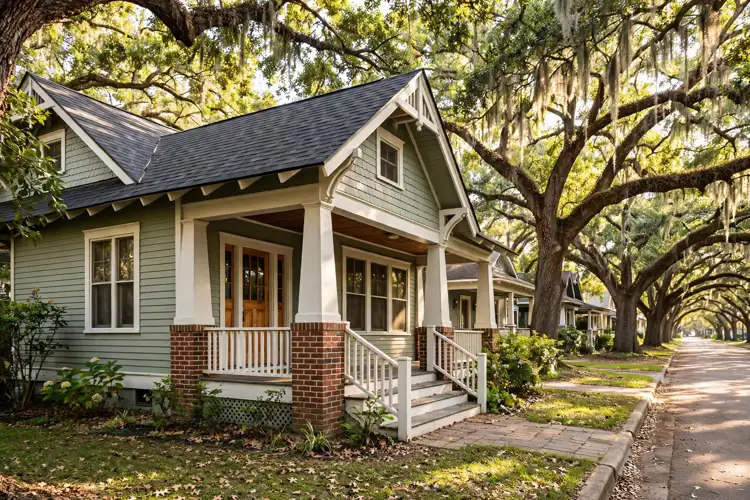 Roof ReplacementA full replacement strips the old roof to the deck and installs a new system — the right call when repairs stop making sense.Explore →Roof RepairLeaks, lifted shingles and failed flashing, fixed at the cause — not covered over.Explore →
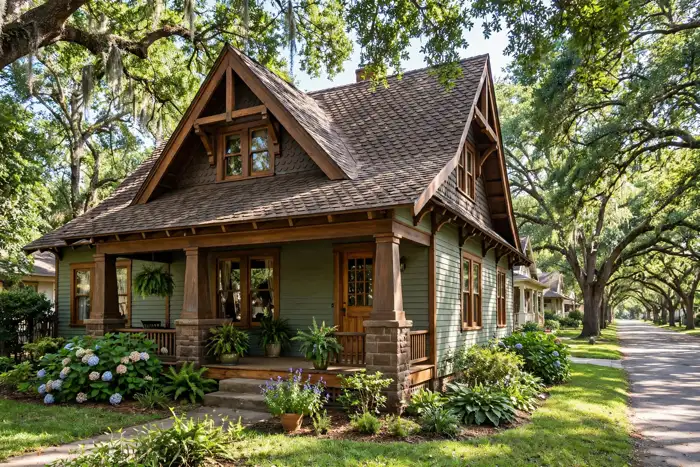 Roof InspectionA photo-documented inspection of the deck, flashing and penetrations, with a written scope of what needs work now and what can wait.Explore →
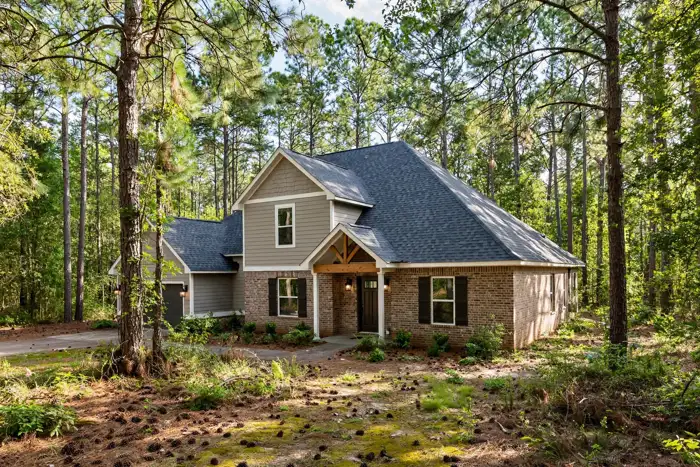 Metal RoofingStanding seam metal, 40 to 70 years, for owners who want the next roof to be the last one they buy.Explore →
 Shingle RoofingArchitectural shingles, the Houston standard — 18 to 25 years in this climate when the system underneath is right.Explore →
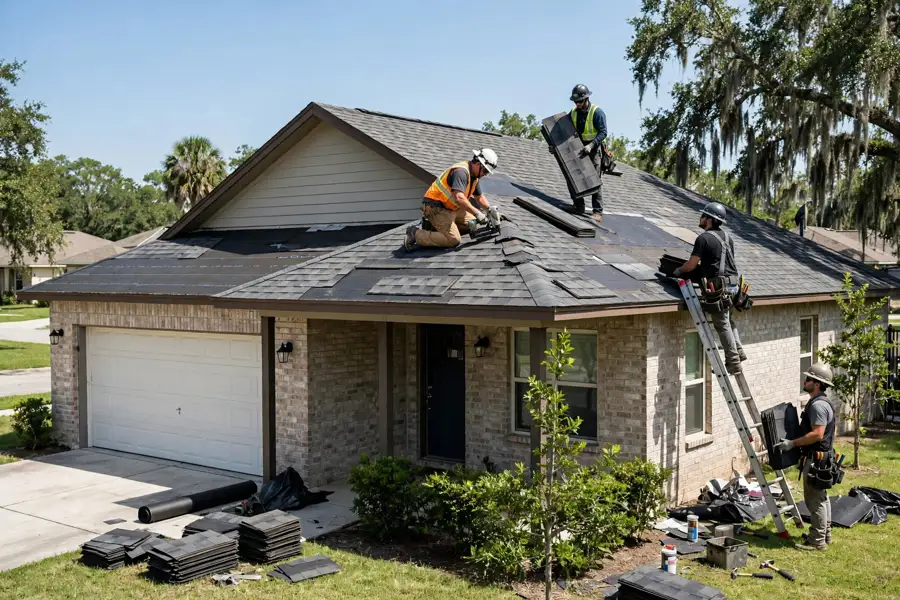 Flat RoofingLow-slope membranes, drains and parapet flashing — the drainage system that decides whether a flat roof stays dry.Explore →Residential RoofingPitched roofs for Houston homes — shingle, metal and tile — quoted side by side so you can compare.Explore →
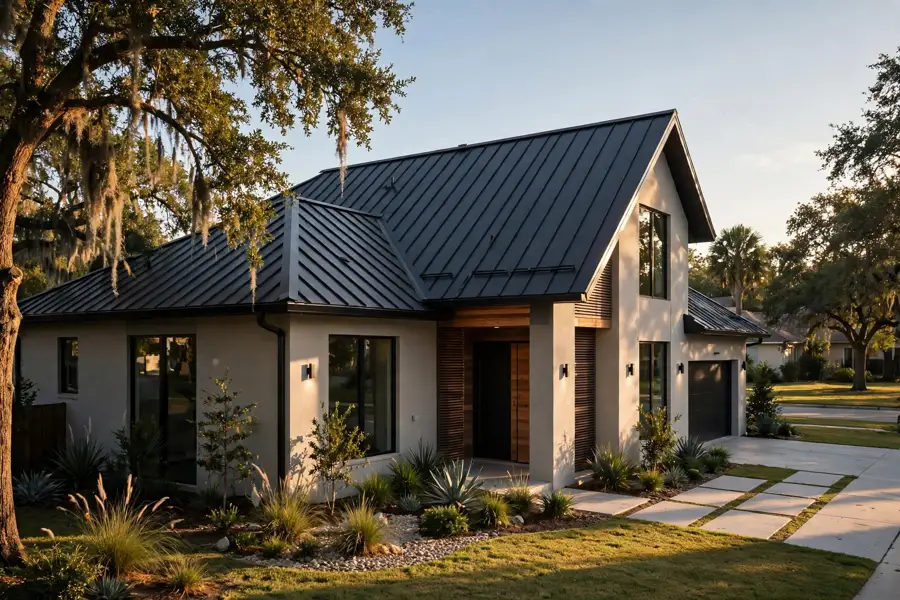 Roof MaintenanceRegular checks of the details that fail first — flashing, boots, valleys and gutters — before they become leaks.Explore →
We will inspect the tile, the underlayment and the structure, and give you a written scope — repair, lift-and-relay or replacement. Call (346) 654-5170 or request an inspection online.
Schedule an inspection — (346) 654-5170 →Call (346) 654-5170 or send us a message and we will get back to you during office hours. Tell us what is happening with your roof and we will tell you what it takes to fix it. Office hours: Mon–Wed 8 AM–6:30 PM · Sat 9 AM–6:30 PM · Sun Closed.