Eldridge Parkway
The north-south spine of the Corridor’s residential edge, carrying released-water and Buffalo Bayou exposure.
The Energy Corridor is not a Super Neighborhood — it is an energy-industry business district overlapping west Memorial (Super Neighborhood 16) and Eldridge/West Oaks (Super Neighborhood 17), running generally parallel to I-10 between Highway 6 and Kirkwood Road and extending south along Eldridge Parkway, with the full district stretching about seven miles along I-10 from Kirkwood Road to just west of Barker Cypress Road. The homes here are the subdivisions around it — west Memorial’s Nottingham Forest and Bear Creek Village, Eldridge and West Oaks’ 1970s–90s subdivisions — and the roofing question is geography: which side of the dam are you on?
Subdivision shingle, townhome flat or Corridor commercial — these are the services we bring to the Energy Corridor, placed first on the right side of the dams.
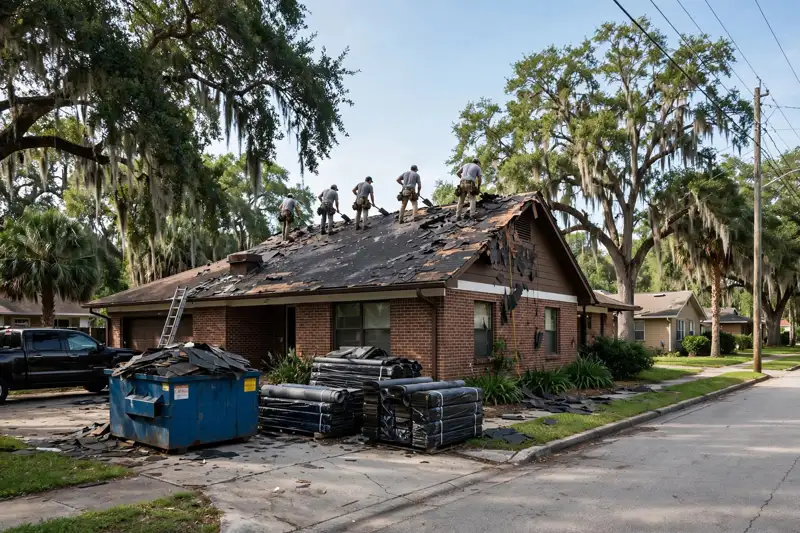 Roof ReplacementTear-off, deck repair and a new system, scoped to your roof and quoted in writing — for homes upstream of the Addicks and Barker basins and downstream on Buffalo Bayou.View details →
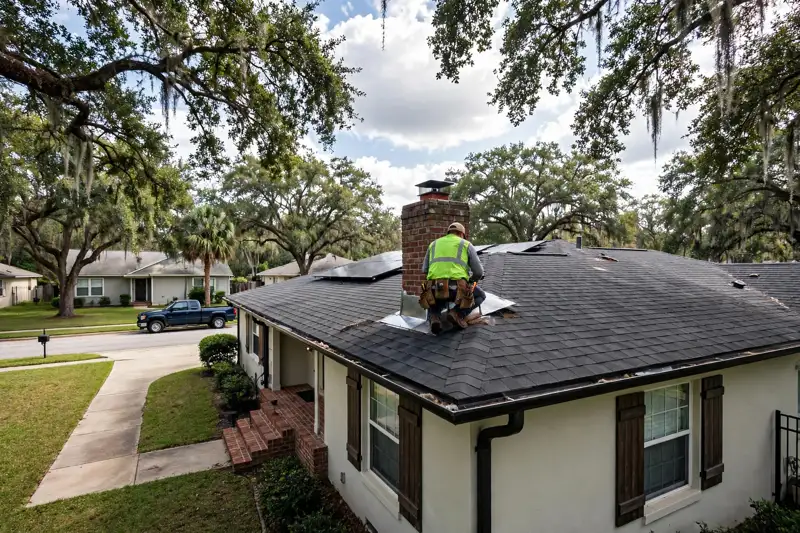 Roof RepairSmall failures fixed at the source — flashing, boots and lifted shingles — for homes upstream of the Addicks and Barker basins and downstream on Buffalo Bayou.View details →
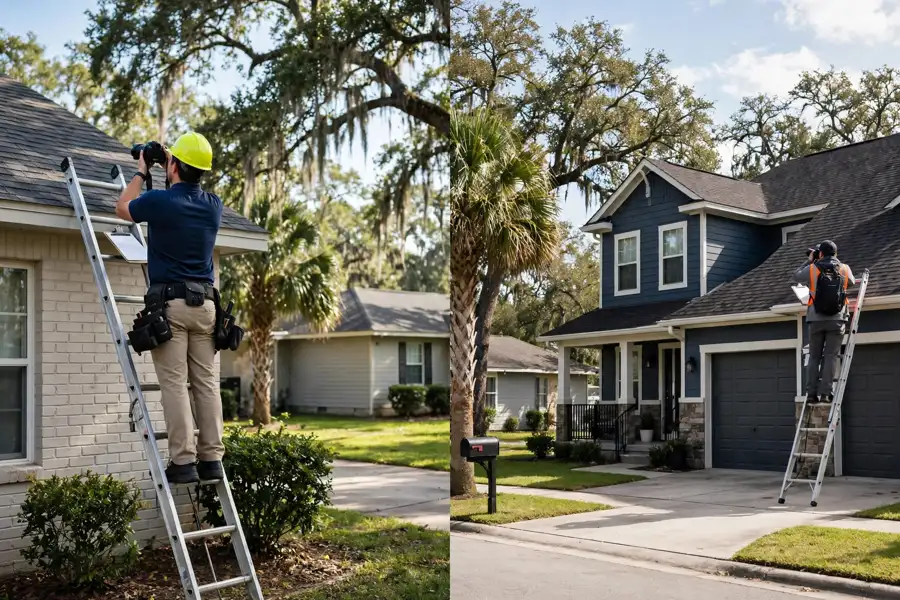 Roof InspectionA full on-roof and attic check that ends in a written report with photos — for homes upstream of the Addicks and Barker basins and downstream on Buffalo Bayou.View details →
 Residential RoofingPitched and flat sections for Houston houses, scoped as one job — for homes upstream of the Addicks and Barker basins and downstream on Buffalo Bayou.View details →
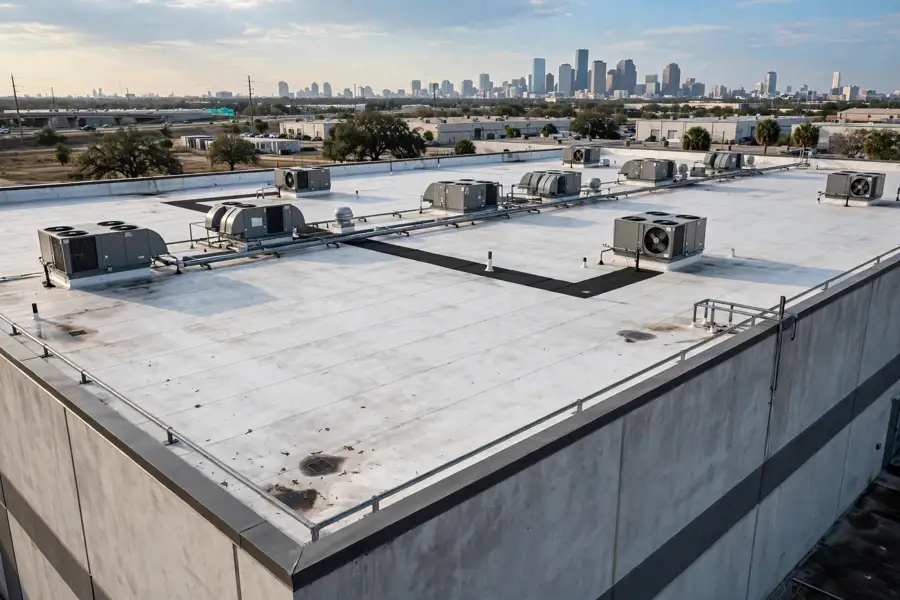 Commercial RoofingFlat and low-slope systems for Houston commercial buildings, phased to stay open — for homes upstream of the Addicks and Barker basins and downstream on Buffalo Bayou.View details →
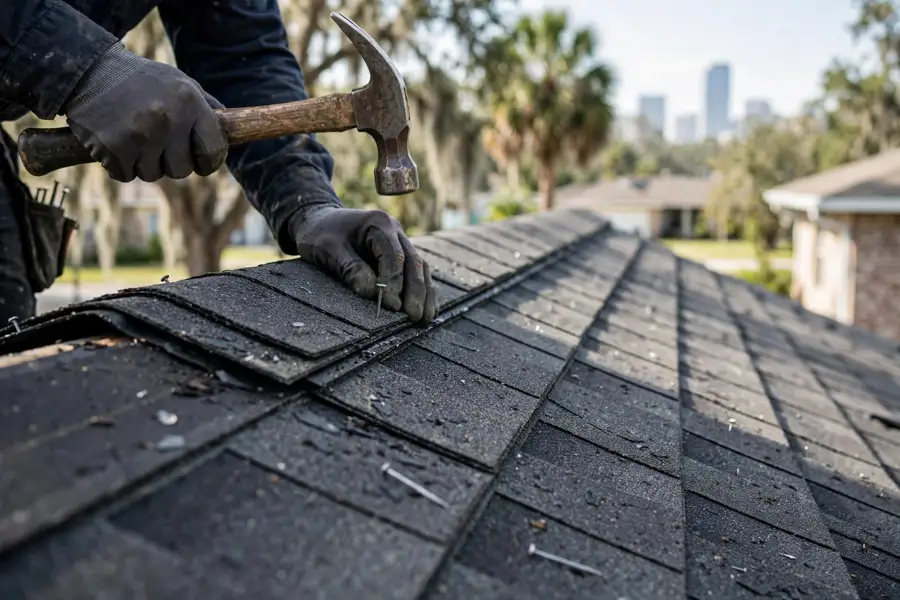 Shingle RoofingArchitectural shingles installed as a system — deck, underlayment, flashing, ridge — for homes upstream of the Addicks and Barker basins and downstream on Buffalo Bayou.View details →
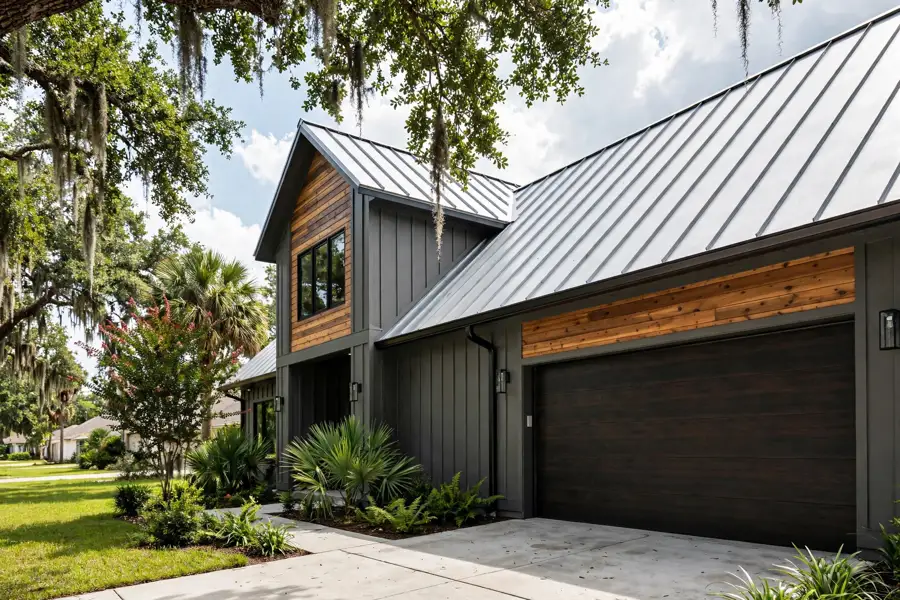 Metal RoofingStanding-seam metal, installed with new flashing throughout — for homes upstream of the Addicks and Barker basins and downstream on Buffalo Bayou.View details →
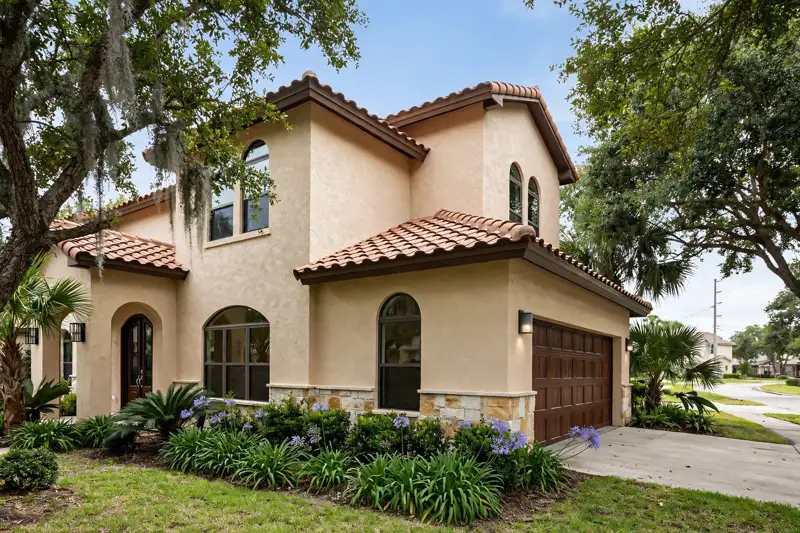 Tile RoofingClay and concrete tile where the underlayment, not the tile, decides the job — for homes upstream of the Addicks and Barker basins and downstream on Buffalo Bayou.View details →
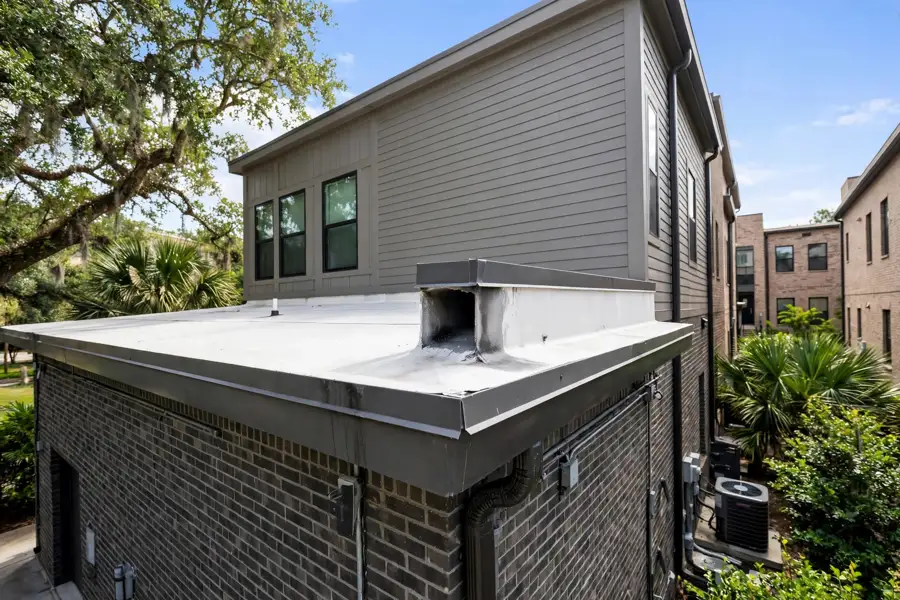 Flat RoofingLow-slope membranes with drainage solved first, not patched later — for homes upstream of the Addicks and Barker basins and downstream on Buffalo Bayou.View details →
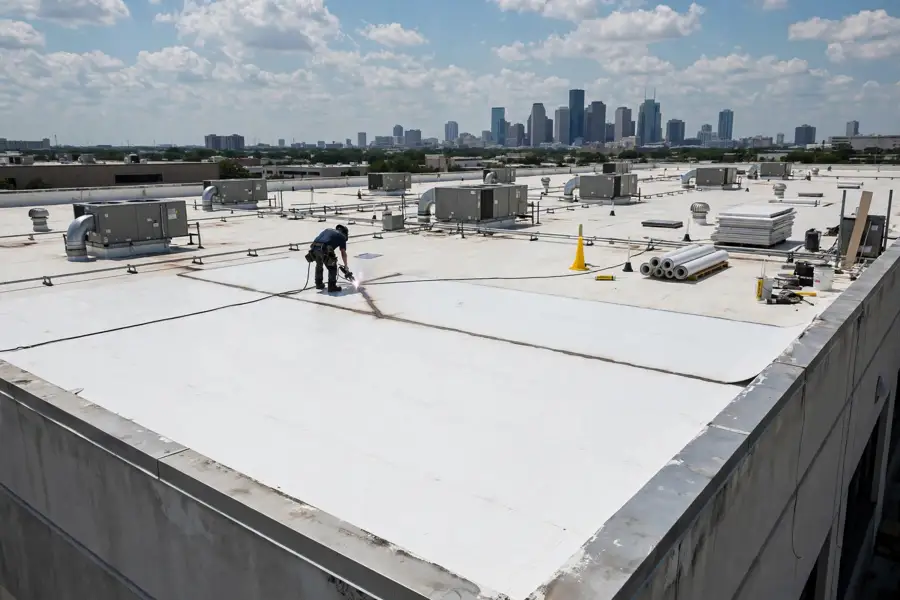 TPO RoofingWhite TPO with heat-welded, probe-checked seams for low-slope roofs — for homes upstream of the Addicks and Barker basins and downstream on Buffalo Bayou.View details →
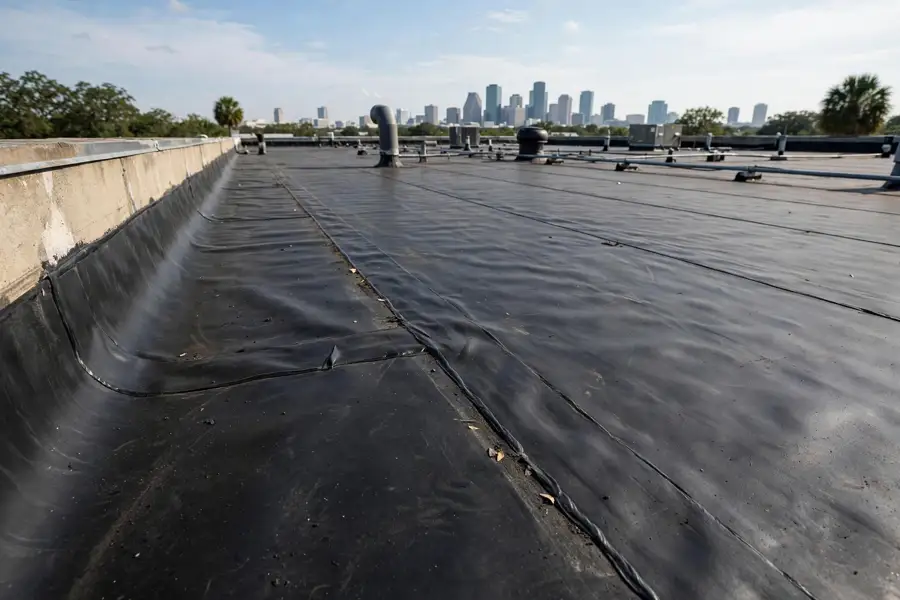 EPDM RoofingBlack rubber membrane with seams cleaned, primed, taped and rolled — for homes upstream of the Addicks and Barker basins and downstream on Buffalo Bayou.View details →
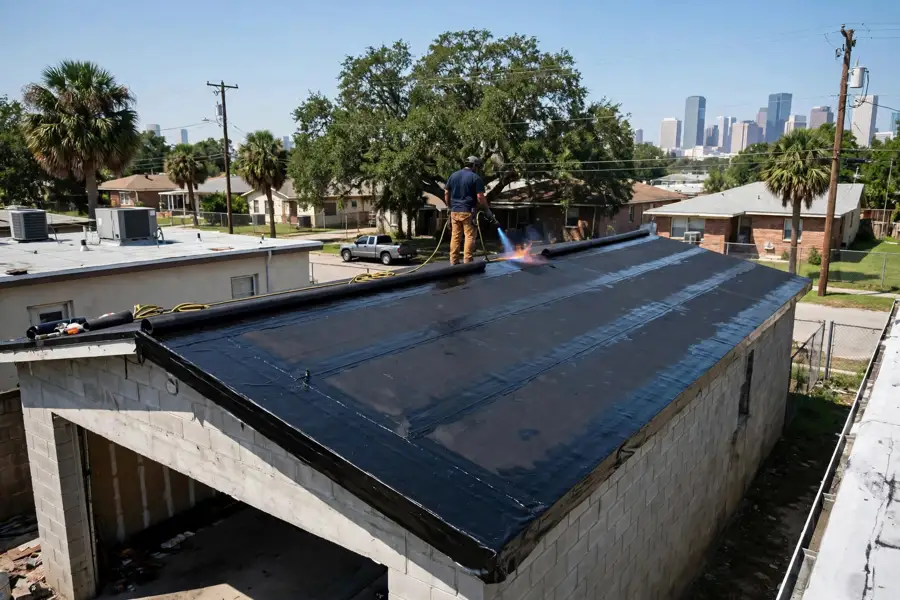 Modified Bitumen RoofingTwo-ply modified bitumen, torched and lapped for small flat sections — for homes upstream of the Addicks and Barker basins and downstream on Buffalo Bayou.View details →
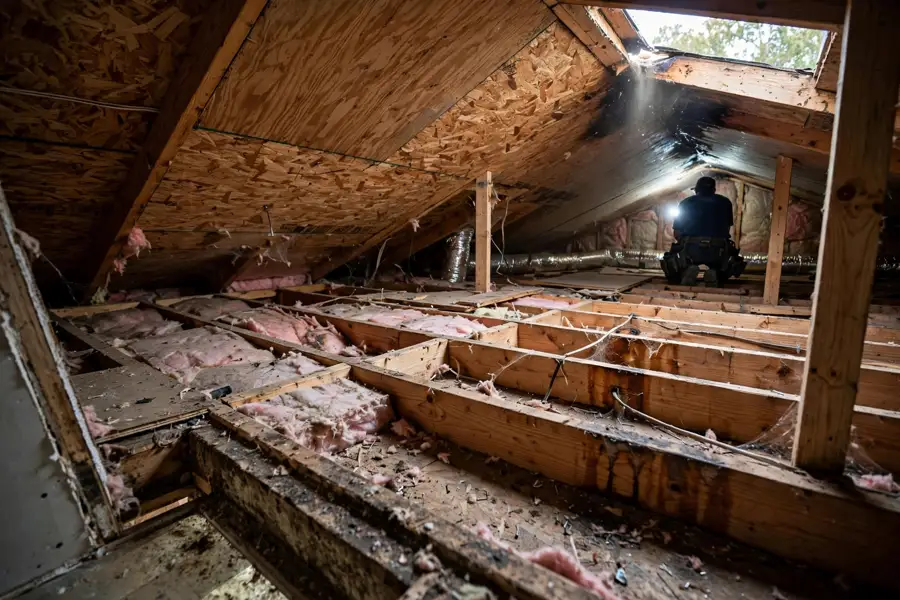 Roof Leak RepairLeaks traced to the entry point, then repaired and water-tested — for homes upstream of the Addicks and Barker basins and downstream on Buffalo Bayou.View details →
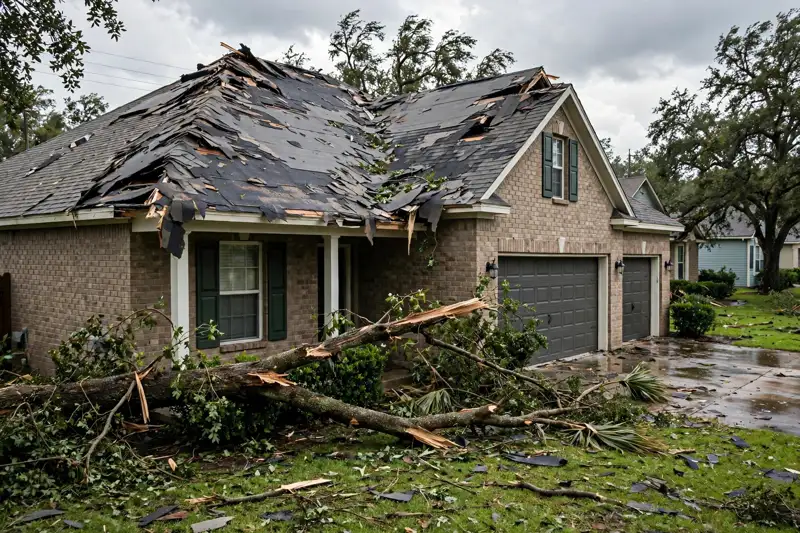 Storm Damage Roof RepairWind and hail damage documented slope by slope, with photos for your file — for homes upstream of the Addicks and Barker basins and downstream on Buffalo Bayou.View details →
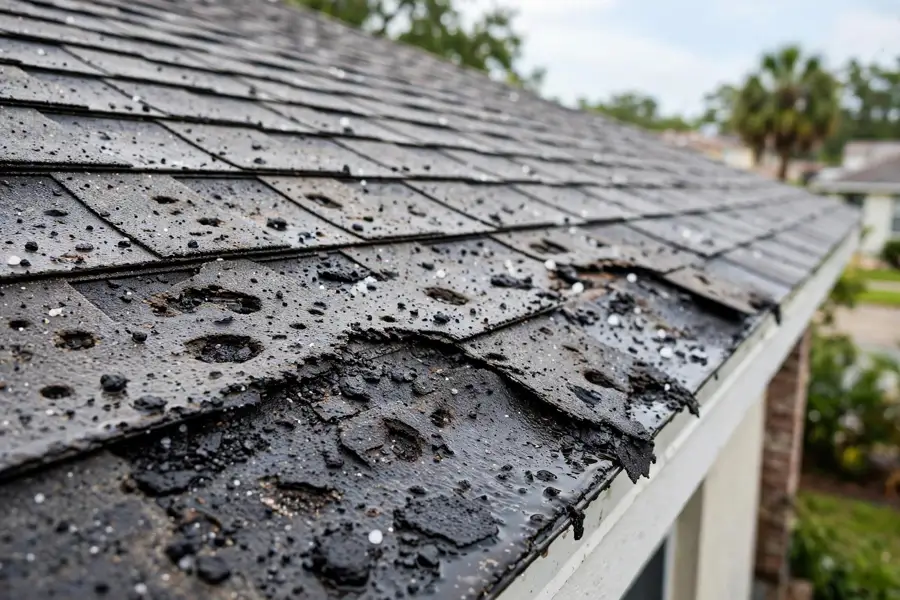 Hail Damage Roof RepairBruising and granule loss checked on the roof, not from the ground — for homes upstream of the Addicks and Barker basins and downstream on Buffalo Bayou.View details →
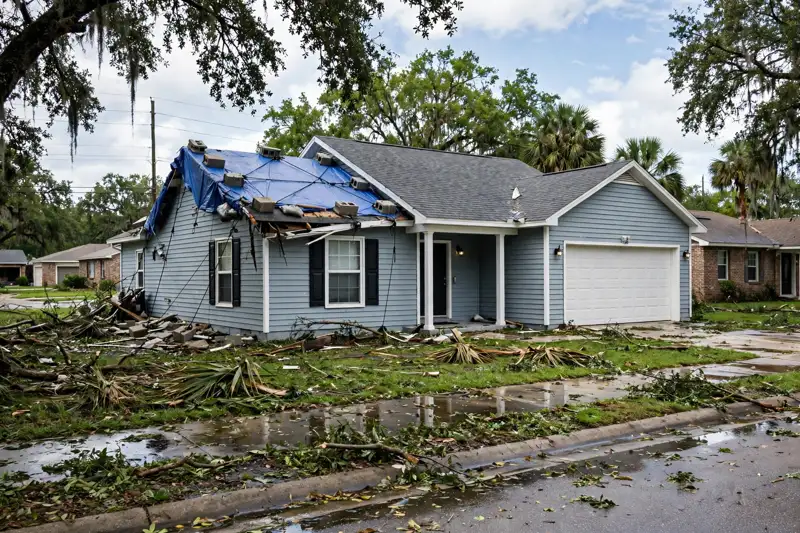 Emergency Roof RepairDry-in first, then a permanent plan once the water is stopped — for homes upstream of the Addicks and Barker basins and downstream on Buffalo Bayou.View details →
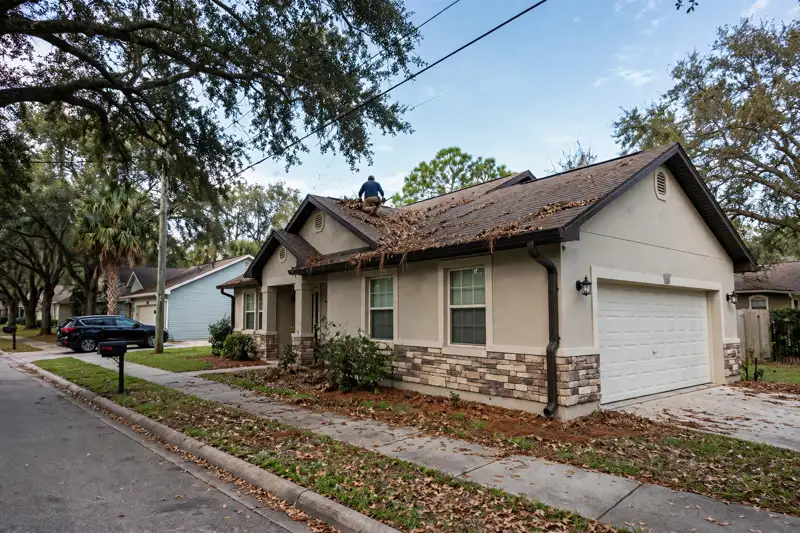 Roof MaintenanceYearly checks of valleys, gutters, boots and flashing, with debris cleared — for homes upstream of the Addicks and Barker basins and downstream on Buffalo Bayou.View details →
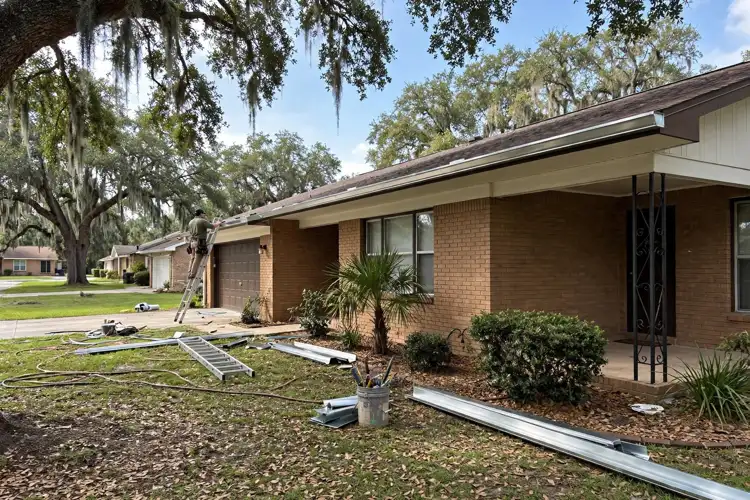 Gutter InstallationSeamless gutters measured to the roof area feeding each run — for homes upstream of the Addicks and Barker basins and downstream on Buffalo Bayou.View details →
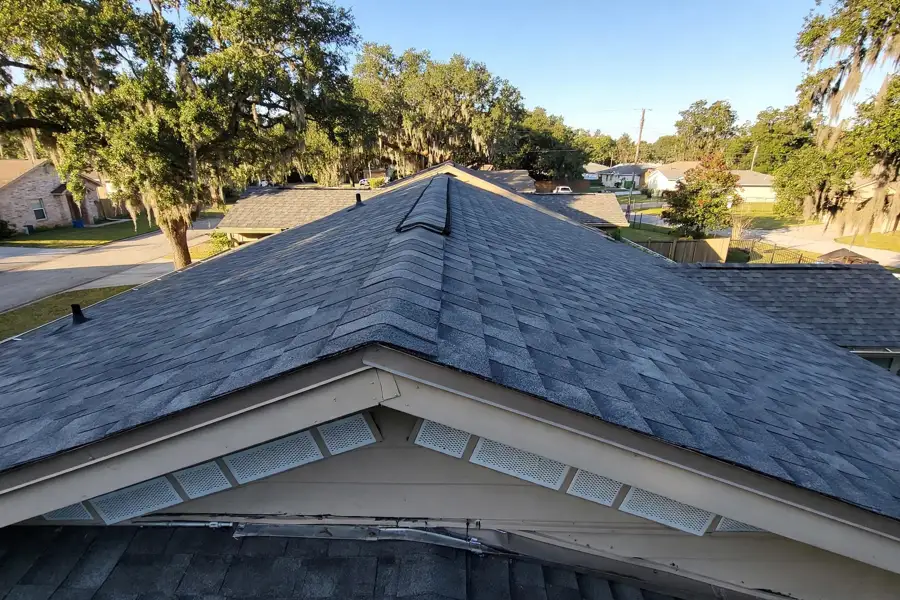 Attic VentilationRidge-to-soffit airflow that lets heat and moisture leave the attic — for homes upstream of the Addicks and Barker basins and downstream on Buffalo Bayou.View details →
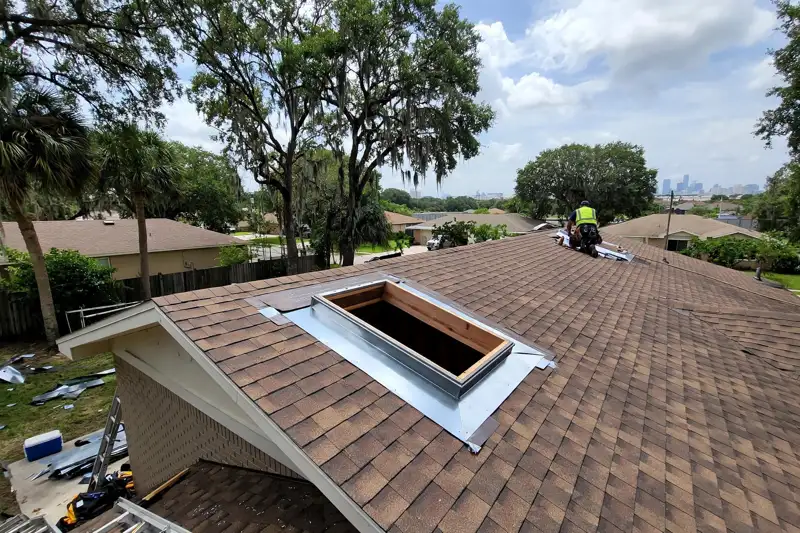 Skylight InstallationSkylights planned with the re-roof, so curb and flashing are built in — for homes upstream of the Addicks and Barker basins and downstream on Buffalo Bayou.View details →
An Energy Corridor job starts by placing the address: pool side or release side. The flood story changes the inspection, and the inspection changes the scope.
Homes beside the Addicks and Barker basins flood when the pool rises; homes downstream flood when released water pushes Buffalo Bayou out of its banks. The two mechanisms need two different inspections.
How we help: We place your address against the dams and the bayou before scoping, so the flood check matches the mechanism that can actually reach you.
Many Corridor roofs were replaced after Harvey, and a roof that looks new can still carry hail bruising, wind lift or a flat-section drainage problem. Age is not a diagnosis here.
How we help: We inspect the roof that is there — shingles, flashing, flat sections and drains — and document what we find for your insurance or relocation file.
Subdivision associations are mandatory in most 1970s–90s plats around the Corridor, with architectural review of material and colour.
How we help: We confirm the association’s review position for your material and colour before anything is ordered.
Hail bruising on a roof replaced after Harvey
Granule loss on a 1970s–90s shingle roof
Ponding on a townhome flat section
Wind-lifted shingles on an Eldridge Parkway slope
Staining at the flashing of a two-storey traditional
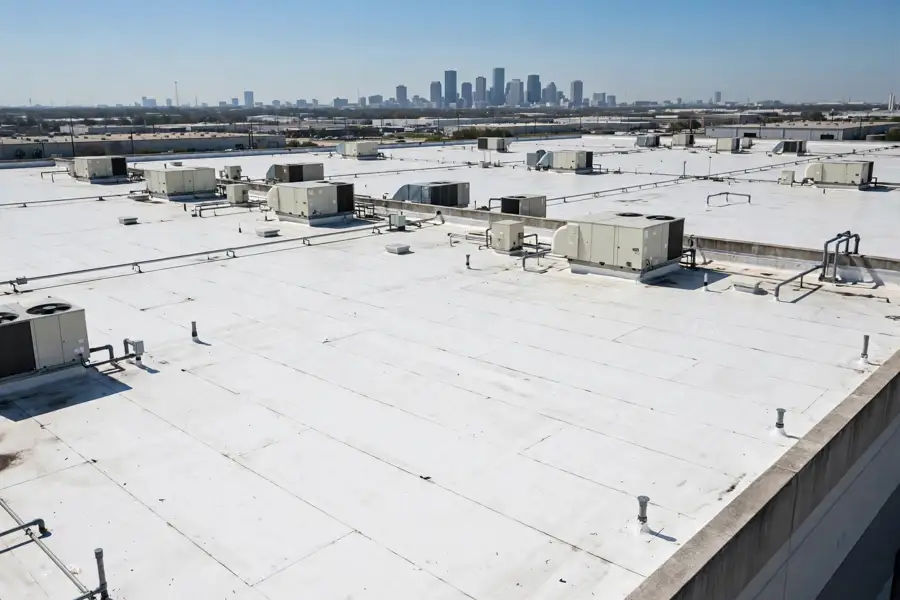
The Corridor runs along I-10 from Kirkwood Road to Barker Cypress Road, and south along Eldridge Parkway. These are the reference points our crews use across it.
The north-south spine of the Corridor’s residential edge, carrying released-water and Buffalo Bayou exposure.
The reservoir whose edge carries pool exposure — the other half of the Corridor’s two-column flood story.
The parkland along the Barker Reservoir edge, marking the Corridor’s western tree line.
The BP America headquarters park in Memorial, marking the Corridor’s eastern employment anchor.
We work across the subdivisions around the Corridor — west Memorial, Eldridge and West Oaks, and the Addicks and Park Ten edge. Call with your subdivision and we will place your address against the dams.
Nottingham Forest · Bear Creek Village · Eldridge/West Oaks · Along I-10, Kirkwood to Barker Cypress
“Amazing experience with Bridgegate Construction!! Professional and completed our roof in a timely manner, 10/10 all from start to finish. Thank you Manny!”
priscilla tovarGoogle · 4 weeks ago
Google reviewEvery quote above is a verbatim Google review of Bridgegate Construction LLC. Our Google profile holds 31 reviews, all 5 stars; the ones we have not read are shown only as a total, never as quotes. Read all 31 reviews on our Google profile.
Our team can help if your question is not answered here.
Call (346) 654-5170 →No. The Energy Corridor is a business district overlapping west Memorial (Super Neighborhood 16) and Eldridge/West Oaks (Super Neighborhood 17). A location page must use the colloquial name for search and give the correct Super Neighborhoods for geography — it must not invent a Super Neighborhood number.
Pool flooding happens upstream, inside or beside the Addicks and Barker basins when the pool rises behind the dams. Release flooding happens downstream when released water pushes Buffalo Bayou out of its banks. The Eldridge Parkway corridor carries release exposure; the Barker Reservoir edge carries pool exposure.
Addicks peaked at 109.1 feet on 30 August 2017, and about 7,000 acres of private land upstream were deliberately submerged. That is the pool side of the Corridor’s flood story; the release side flooded downstream Memorial neighbourhoods that had never flooded before.
A City of Houston Residential Roofing Permit is required for a re-roof or roofing overlay inside the city — $33.56 admin fee, about 10 business days’ processing, valid 6 months; roof covering of 100 sq ft or less in aggregate is exempt. Texas has no state roofing licence; Houston has only a voluntary contractor registration. In the Energy Corridor, the permit covers townhome flat roofs and office low-slope work alike.
Many Corridor roofs were replaced after Harvey, so the honest answer usually starts with an inspection. Hail and wind do not wait for a roof to age, and a roof that looks new can still carry bruising, lift or a drainage problem. We inspect first and recommend from what we find.
Call Bridgegate Construction LLC at (346) 654-5170 with your subdivision, and we will place your address against the dams, inspect the roof that is actually there, and give you a written scope — documented for your insurance or relocation file.
Describe the leak, the damage or the roof's age, and where the house is. Our team will call to confirm the right appointment type and timing.